Rubio Faces Congressional Grilling Over Venezuelan Oil Proceeds Management
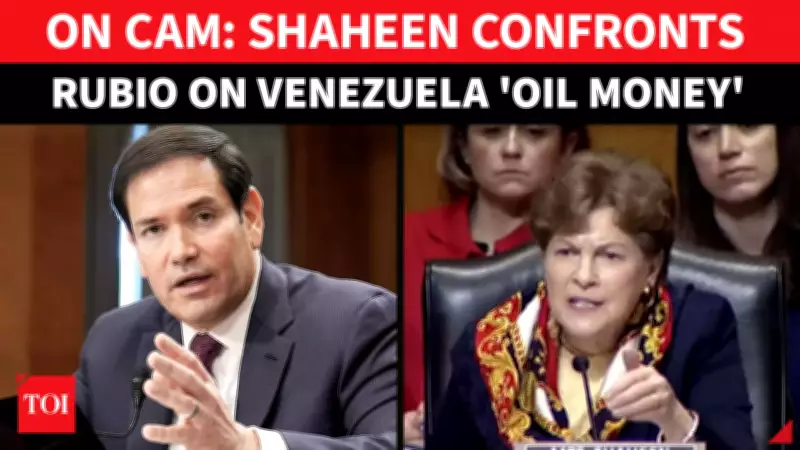
In a high-stakes congressional hearing, US Secretary of State Marco Rubio confronted intense bipartisan scrutiny regarding the handling of approximately $200 million generated from Venezuelan oil sales. This marked Rubio's first public appearance since US forces captured Venezuelan President Nicolás Maduro on January 3, 2026, placing the administration's Venezuela strategy under a microscope.
Senator Shaheen's Tough Questions on Transparency and Oversight
During the session, Senator Jeanne Shaheen pressed Rubio on critical issues surrounding the management of oil sale proceeds and the broader contours of the Trump administration's policy toward Venezuela. The exchange highlighted deep-seated concerns among lawmakers about the transparency of financial flows and the strategic direction of US involvement in the South American nation's turbulent political landscape.
Rubio staunchly defended the oversight mechanisms in place for the oil money, emphasizing that the United States is closely monitoring where these funds are directed. He asserted that the administration has implemented robust controls to ensure the proceeds are managed appropriately, countering allegations of mismanagement or lack of accountability.

Claims of Disrupted Shadow Fleet Operations Post-Maduro Capture
In a significant revelation, Rubio claimed that shadow fleet vessels associated with Russia and Iran have ceased collecting Venezuelan oil following Maduro's removal from power. This assertion points to a potential shift in the geopolitical dynamics surrounding Venezuela's oil exports, which have long been a point of contention and a tool for international influence.
The hearing underscored the complex interplay of economic interests and foreign policy objectives, as lawmakers from both parties expressed worries about the long-term implications of US actions in Venezuela. Discussions revolved around ensuring that the oil revenues do not fall into the wrong hands and that they contribute to stabilizing the region rather than exacerbating existing conflicts.
Bipartisan Concerns Over US Strategy and Future Involvement
The session brought to light widespread bipartisan apprehensions regarding the transparency of the process, the overall strategy employed by the US, and the extent of American involvement in shaping Venezuela's future. Lawmakers questioned whether the current approach aligns with broader diplomatic goals and humanitarian considerations, reflecting a divided yet engaged Congress on this foreign policy front.
As the debate continues, the management of Venezuelan oil proceeds remains a pivotal issue, with implications for international relations, economic sanctions, and the quest for political stability in a nation grappling with profound challenges. The hearing served as a crucial forum for airing these concerns and seeking clarity from the administration's top diplomat.