

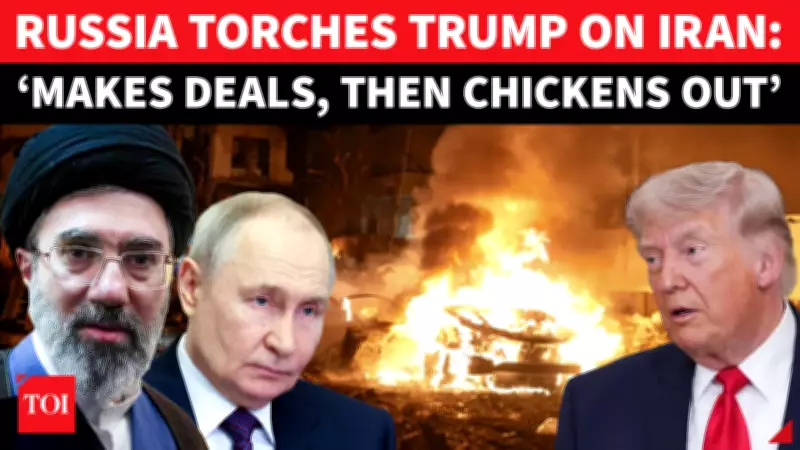
Russia Condemns U.S. Diplomatic Approach as Iran Standoff Intensifies
In a significant diplomatic development, Russia has launched a pointed critique of United States foreign policy, highlighting concerns over America's reliability in international agreements. The remarks come at a time of heightened geopolitical tensions, particularly regarding Iran, adding complexity to an already volatile global landscape.
Lavrov's Sharp Criticism of U.S. Diplomacy
Russian Foreign Minister Sergey Lavrov has delivered a strong rebuke of U.S. diplomatic practices, accusing Washington of a pattern of making commitments only to subsequently abandon them. This criticism represents a direct challenge to American credibility on the world stage, with Lavrov emphasizing that such behavior undermines the foundation of international cooperation.
"The erosion of global trust is a direct consequence of shifting policies and inconsistent commitments," Lavrov stated, urging a return to dialogue rather than confrontation. His comments suggest growing frustration with what Moscow perceives as unpredictable American foreign policy decisions that create instability in international relations.

Context of Rising Iran Tensions
The timing of Lavrov's remarks is particularly significant as they coincide with escalating tensions between the United States and Iran. Moscow has expressed concern that diplomatic efforts in the region might conceal more aggressive military intentions, adding another layer of complexity to an already delicate situation.
Key elements of the current Iran standoff include:
- Heightened military posturing in the Strait of Hormuz region
- Increasing rhetoric from both Iranian and American officials
- Growing international concern about potential escalation
- Complex diplomatic maneuvering involving multiple global powers
Broader Implications for Global Diplomacy
Lavrov's criticism extends beyond the immediate Iran situation to address fundamental questions about international trust and cooperation. Russia's position suggests a deepening divide in how major powers approach diplomatic engagement, with Moscow advocating for more consistent and reliable partnership frameworks.
The Russian foreign minister's remarks highlight several critical concerns:
- The importance of honoring international agreements and commitments
- The need for transparent diplomatic processes that build rather than erode trust
- The dangers of policy shifts that create uncertainty in global relations
- The value of sustained dialogue over confrontational approaches
Geopolitical Ramifications
This diplomatic exchange occurs against a backdrop of multiple international challenges, including ongoing conflicts and shifting alliances. Russia's public criticism of U.S. policy adds fuel to an already complex geopolitical environment, potentially influencing how other nations approach their relationships with both Washington and Moscow.
The situation underscores the interconnected nature of global diplomacy, where developments in one region can have ripple effects across multiple international relationships. As tensions continue to evolve, the international community will be watching closely how both Russia and the United States navigate these diplomatic challenges while managing their respective strategic interests.






