Russia Issues Stern Rebuke to Israel at UN Security Council Over Military Actions
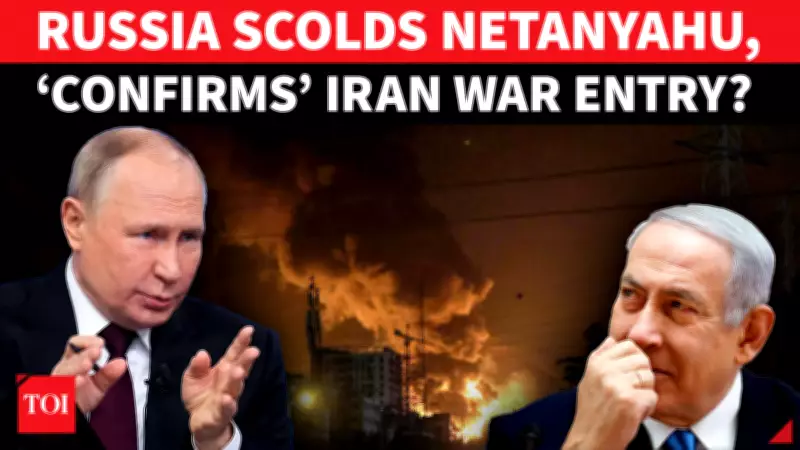
In a significant diplomatic confrontation, Russia has delivered a sharp condemnation of Israel during a United Nations Security Council session. The Russian delegation specifically targeted Israeli Prime Minister Benjamin Netanyahu, warning that his government's ongoing military escalation threatens to plunge the Middle East into deeper chaos and instability.
Accusations of Illegal Warfare and Sovereignty Violations
Moscow's ambassador to the UN launched a direct criticism of Israel's operations in Lebanon, accusing the Israeli military of deliberately widening the conflict beyond acceptable boundaries. The Russian representative emphasized that these actions constitute what Moscow terms an 'illegal war' against Iran and its regional allies, fundamentally undermining established principles of international law.
The Russian statement included three critical demands:

- An immediate and comprehensive ceasefire in all active conflict zones
- Enhanced protection measures for civilian populations caught in crossfire
- Strict respect for national sovereignty and territorial integrity of all involved nations
Warning of Broader Regional Consequences
Russian diplomats stressed that continued military action by Israel could trigger a dangerous domino effect across the Middle East. The warning highlighted how localized conflicts risk expanding into broader regional instability, potentially drawing in multiple international actors and creating security challenges far beyond current battle lines.
The remarks signal escalating tensions among global powers as major nations increasingly clash over the direction and management of Middle Eastern conflicts. Russia's position represents a clear challenge to Israeli and Western approaches to regional security matters.
Context of Rising International Tensions
This diplomatic exchange occurs against a backdrop of heightened military activity and political maneuvering throughout the Middle East. The Russian intervention at the UN Security Council reflects growing international concern about conflict spillover effects and the potential for miscalculation among opposing factions.
As global powers position themselves regarding Middle Eastern conflicts, such public diplomatic confrontations at the United Nations highlight the complex geopolitical landscape where national interests, international law interpretations, and regional stability concerns increasingly intersect and collide.