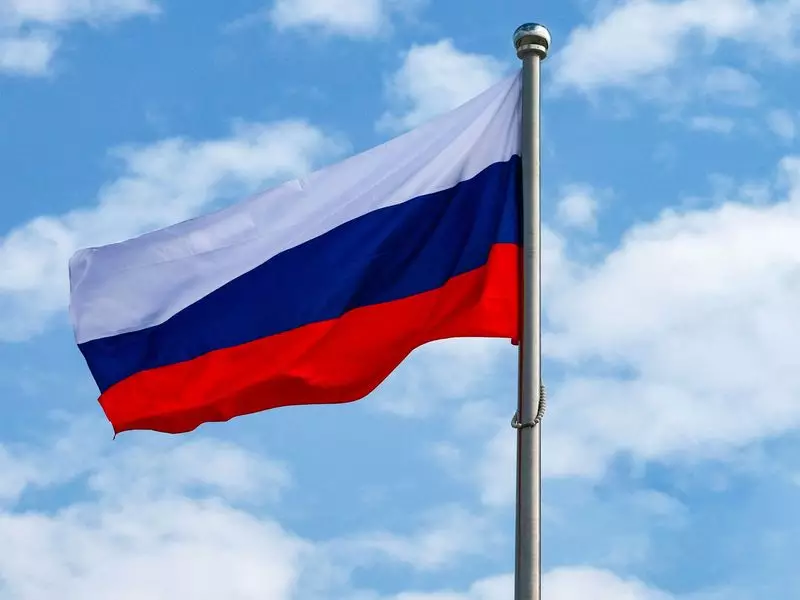
In a significant diplomatic intervention, Russia has publicly called upon the United States to release a key Venezuelan ally and drop all charges against the South American nation's president, Nicolas Maduro. The Russian foreign ministry issued this strong appeal, advocating for constructive dialogue to resolve the ongoing political and economic crisis in Venezuela.
Moscow's Firm Stance on Sanctions and Detentions
The Russian foreign ministry did not mince words in its criticism of American policy. Officials in Moscow described the US sanctions regime against Venezuela as illegal and destructive, arguing that these measures severely harm the country's economy and, most critically, the well-being of its ordinary citizens. The call for action centers on two specific demands directed at Washington.
First, Russia insists that the United States must release Alex Saab, a Colombian businessman who is a close financial ally of President Maduro. Saab was extradited to the US from Cape Verde in 2021 on charges of money laundering connected to Venezuela. His release is seen by Caracas and Moscow as a crucial step. Secondly, Russia demands that the US drop all charges against President Nicolas Maduro himself, who is also facing sanctions and accusations from Washington.

A Plea for Dialogue Over Confrontation
Beyond these direct demands, the core of Russia's message is a push for peaceful negotiation. The Russian foreign ministry emphasized that the only viable path forward for Venezuela is through an inclusive dialogue involving all political forces within the country. Moscow firmly believes that such internal discussions should be free from any external pressure or interference.
This stance positions Russia as a vocal opponent of what it perceives as US meddling in Venezuela's sovereign affairs. By championing dialogue and condemning sanctions, Russia aligns itself with the Maduro government and against the US-backed opposition. This move is viewed as part of the broader geopolitical rivalry between Moscow and Washington, with Venezuela being a key battleground for influence in the Western Hemisphere.
Implications for Venezuela's Future
The Russian intervention highlights the continued international dimension of Venezuela's protracted crisis. While the US and several other nations recognize opposition leader Juan Guaido as the legitimate interim president, Russia, China, and others continue to back Maduro's government. This external support has been vital for Maduro's regime to withstand economic pressure and political isolation.
Russia's latest call places the ball firmly in the US court, challenging the Biden administration's current approach. It underscores the deep stalemate: the US maintains that sanctions and pressure are necessary to restore democracy, while Russia argues these very actions are the primary obstacle to peace and stability. The appeal for releasing Alex Saab is particularly pointed, as he is considered a pivotal figure in understanding the Maduro government's financial networks.
As it stands, this development is unlikely to prompt an immediate shift in US policy. However, it intensifies the diplomatic rhetoric and reinforces the complex, multi-polar struggle over Venezuela's future. The situation remains a flashpoint where global powers are testing their reach and ideologies far beyond their own borders.