In a significant development for bilateral energy cooperation, Russia has formally proposed to India the construction of a cutting-edge floating nuclear power plant. The offer was extended during high-level talks between Indian Prime Minister Narendra Modi and Russian President Vladimir Putin.
A "Chernobyl on Ice" Successor for Indian Waters?
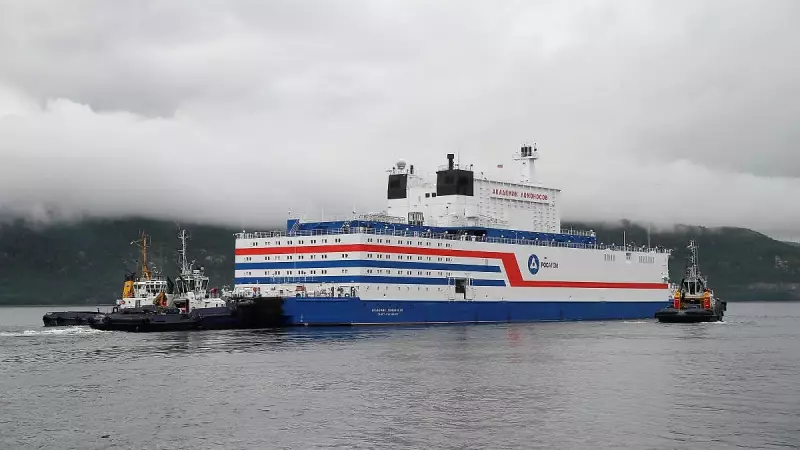
The proposed facility is modelled on Russia's own pioneering Akademik Lomonosov, which is recognized as the world's first operational floating nuclear power plant. This unique barge-mounted facility houses two advanced KLT-40S nuclear reactors. The Russian offer, framed as a successor to this technology, aims to broaden the strategic energy partnership between the two long-standing allies.
The meeting between the two leaders, which took place on 05 December 2025, covered a wide range of bilateral issues, with energy security being a key pillar. The floating plant concept represents a novel solution for providing reliable power to coastal or remote areas, bypassing the need for large-scale land-based infrastructure.

Details of the Pioneering Technology
The Akademik Lomonosov serves as the blueprint for the proposed Indo-Russian project. This mobile power unit is essentially a specialized barge equipped with twin reactors. Its design offers several potential advantages for India:
- Modular and Mobile: The entire plant can be constructed in a shipyard and then towed to its operational site.
- Remote Power: It could supply clean electricity to island territories, coastal industrial zones, or remote regions.
- Enhanced Safety: Being offshore, it incorporates multiple safety layers considered by its designers to mitigate land-based seismic risks.
The Russian offer indicates a desire to move beyond traditional arms and fuel trade, venturing into high-tech, civilian nuclear infrastructure projects with India.
Strategic Implications and Next Steps
This proposal, if it moves forward, would mark a substantial deepening of the India-Russia nuclear energy partnership. It comes at a time when India is actively diversifying its energy mix and exploring innovative technologies to meet its growing power demands while adhering to climate goals.
The Indian side is expected to evaluate the offer thoroughly, considering technical feasibility, safety protocols, economic viability, and localization possibilities. Acceptance would involve complex agreements on technology transfer, liability, and operational oversight. The outcome of these deliberations could define a new chapter in clean energy collaboration between New Delhi and Moscow.
The meeting on December 5th has thus set the stage for a potentially transformative project, positioning floating nuclear power as a tangible point of discussion in future bilateral summits.