

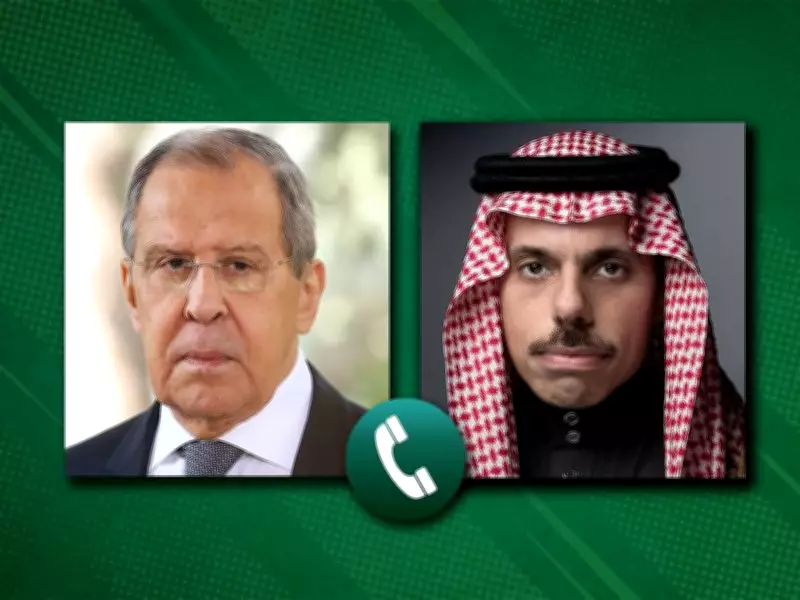
Russia and Saudi Arabia Engage in High-Level Talks Amid Middle East Unrest
In a significant diplomatic move, Russian Foreign Minister Sergey Lavrov convened with his Saudi counterpart, Prince Faisal bin Farhan, in Moscow to address the volatile situation in the Middle East. The meeting, held against a backdrop of heightened regional tensions, underscores the ongoing efforts by key global players to mitigate conflicts and foster stability.
Focus on Escalating Conflicts and Regional Security
The discussions primarily centered on the escalating hostilities in the Middle East, with a particular emphasis on the ongoing conflict in Gaza. Both ministers exchanged views on the urgent need for de-escalation and the importance of diplomatic solutions to prevent further humanitarian crises. Lavrov highlighted Russia's commitment to a peaceful resolution, while Prince Faisal reiterated Saudi Arabia's stance on supporting regional security and stability.
Key points from the talks included:

- Assessment of the current geopolitical landscape in the Middle East, including the impact of recent escalations.
- Exploration of multilateral initiatives to address the root causes of conflicts and promote dialogue among involved parties.
- Discussion on humanitarian aid efforts in conflict zones, with a focus on alleviating civilian suffering.
Broader Implications for International Diplomacy
This meeting reflects the broader diplomatic engagements between Russia and Saudi Arabia, two influential nations with vested interests in Middle Eastern affairs. The talks are seen as part of a larger strategy to coordinate responses to regional challenges, including terrorism, economic instability, and political fragmentation. Both ministers emphasized the necessity of international cooperation and adherence to United Nations resolutions in resolving disputes.
Additional topics covered during the dialogue:
- Coordination on energy policies and their role in regional economies.
- Enhancement of bilateral relations through cultural and economic exchanges.
- Strategies to counter external interventions that exacerbate tensions in the Middle East.
As the Middle East continues to grapple with complex conflicts, such high-level discussions are crucial for shaping a cohesive international response. The outcome of these talks may influence future diplomatic efforts and peace initiatives in the region, highlighting the ongoing role of major powers in global conflict resolution.






