In a sharp escalation of diplomatic tensions, Russia has issued a stark warning to the United States, expressing hope that President Donald Trump does not commit what it termed a 'fatal mistake' regarding Venezuela. This warning comes directly in response to Trump's recent announcement of a comprehensive blockade targeting oil tankers associated with the South American nation.
Trump's Decisive Move Against Maduro
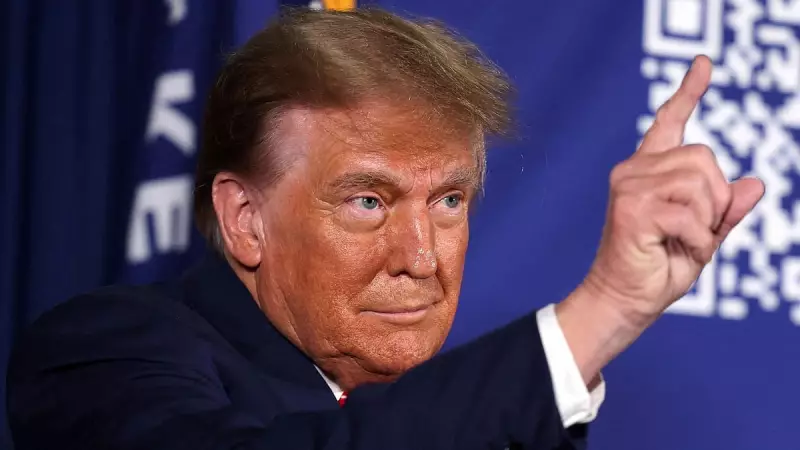
On Tuesday, December 18, 2025, US President Donald Trump declared a full-scale "blockade" aimed at all sanctioned oil tankers attempting to enter or leave Venezuelan waters. This aggressive strategy marks a significant intensification of Washington's long-standing campaign to exert maximum pressure on the government of Venezuelan President Nicolas Maduro. The move is designed to cripple a vital economic artery for Caracas, cutting off the oil revenues that fund Maduro's administration.
Moscow's Stern Diplomatic Warning
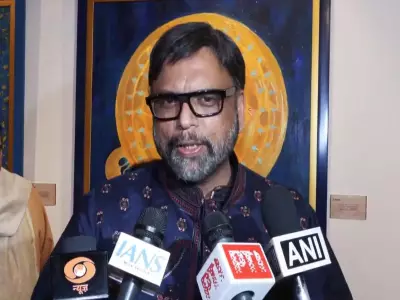
The reaction from Moscow was swift and unequivocal. Russian officials publicly stated their apprehension regarding Trump's latest action, framing it as a potentially dangerous provocation. While the exact wording of the Russian statement emphasized hoping to avoid a "fatal mistake," the underlying message was a clear critique of US foreign policy. Russia, a key ally and supporter of the Maduro regime, views the US-led sanctions and now the blockade as illegitimate interference in Venezuela's sovereign affairs.

This diplomatic exchange underscores the deepening proxy conflict in Venezuela, where global powers are picking sides. The United States, along with many Western nations, recognizes opposition leader Juan Guaido as the country's legitimate interim president. In contrast, Russia, China, and several other nations continue to back Maduro's government, providing it with political, economic, and reportedly military support.
Implications and Global Repercussions
The announcement of an oil blockade represents a major shift from targeted sanctions to a more comprehensive maritime embargo. The immediate consequences are likely to be severe for Venezuela's already collapsing economy, potentially leading to further humanitarian distress. For global oil markets, the action introduces a new element of geopolitical risk, though its direct impact may be limited given Venezuela's reduced production capacity.
More broadly, Russia's public warning to Trump signals a hardening of positions and raises the stakes in the international standoff over Venezuela. It transforms the crisis from a regional issue into a focal point of US-Russia rivalry. The use of the term "fatal mistake" suggests Moscow perceives the blockade as a step that could trigger unforeseen and possibly uncontrollable escalation, though the nature of that escalation remains unspecified.
As of now, the world watches to see how the blockade will be enforced and whether other nations will challenge it. The situation also tests the limits of economic coercion as a tool of foreign policy, with the Trump administration betting that extreme pressure will finally topple Maduro, while Russia and its allies dig in to prevent what they see as a US-orchestrated regime change operation.