

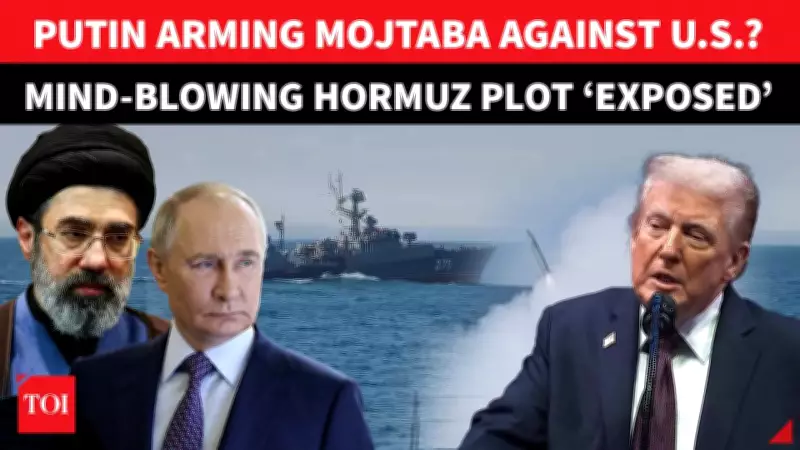
Russia's Pacific Fleet Conducts High-Alert Naval Drill Amid Middle East Crisis
In a move that has heightened global tensions, Russia's Pacific Fleet executed a significant military exercise in the icy waters of the Avacha Gulf, located in the Pacific Ocean. The drill, which took place recently, involved the anti-submarine warship MPK-107 and showcased Russia's naval capabilities during a period of escalating conflict in the Middle East.
Simulated Threat Neutralized in Avacha Gulf Exercise
During the high-alert drill, the crew of the MPK-107 detected a mock enemy drone approaching its base. In a swift and precise response, the warship utilized its advanced Osa-M2 anti-aircraft missile system to successfully destroy the simulated threat. This demonstration of military readiness underscores Russia's preparedness in maritime defense scenarios.
Timing Raises Questions Over Russia's Role in Iran's Hormuz Blockade
The naval exercise coincides with a critical juncture in Middle Eastern geopolitics, where Iran, the United States, and Israel are engaged in a tense confrontation. Global attention is particularly focused on the Strait of Hormuz, a narrow waterway through which nearly 20 percent of the world's oil supply passes. Iran has recently threatened to blockade this vital route, sparking international concern over potential disruptions to global energy markets.

Speculation is mounting that Russia may be secretly aiding Iran in this endeavor. Analysts suggest that Moscow could be providing covert support to Iran's new Supreme Leader, Mojtaba Khamenei, as the crisis deepens. This possibility has fueled fears of a broader conflict involving major powers, with Russia's naval activities viewed as a potential signal of its alignment with Iranian interests.
Implications for Global Security and Oil Supply
The Strait of Hormuz serves as a crucial chokepoint for international oil shipments, making any blockade a significant threat to global economic stability. Russia's military drill, though conducted in the Pacific, is seen by many as a strategic message to the West, indicating Moscow's willingness to project power in support of its allies. This development adds a new layer of complexity to the already volatile situation in the Middle East, raising questions about the future of diplomatic relations and regional security.
As tensions continue to escalate, the international community remains vigilant, monitoring Russia's actions closely for any signs of direct involvement in Iran's blockade efforts. The outcome of this crisis could have far-reaching consequences for global politics and energy markets.






