

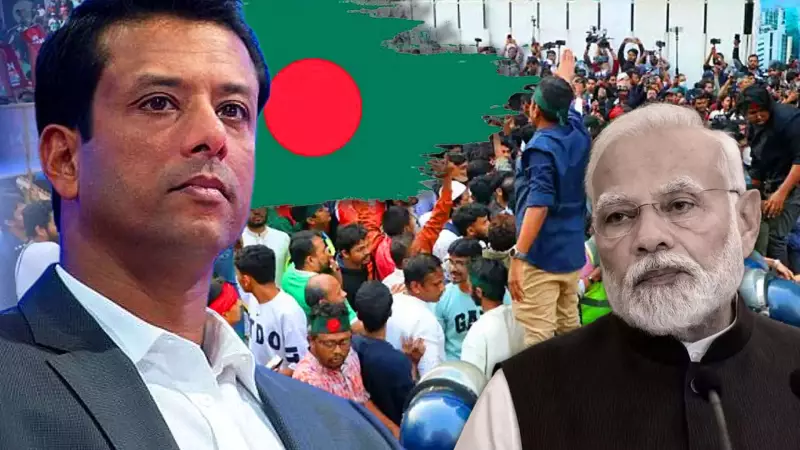
A stark warning from a key political figure in Bangladesh has sounded alarm bells in New Delhi. Sajeeb Wazed Joy, the son of former Prime Minister Sheikh Hasina, has stated that Bangladesh is entering a perilous phase where political marginalization is fueling the growth of Islamist extremism. This caution comes at a time of heightened tension, marked by anti-India sentiment and security concerns.
Accusations Against the Interim Government
In his message delivered on December 18, 2025, Wazed directly accused the current interim administration led by Yunus of orchestrating a controlled election and systematically sidelining secular political forces. He argues that this political vacuum and exclusion are being exploited by radical elements to regain strength. The situation, he implies, is being deliberately engineered, allowing extremist groups to flourish once again.
Security Threats and Regional Implications
The immediate consequences are already visible. Wazed pointed to the rising anti-India rhetoric and protests in Dhaka, which have grown severe enough to threaten the security of Indian diplomatic missions. These threats forced an Indian visa application centre to shut down early. More ominously, he claimed that terror training camps are re-emerging and networks backed by Pakistan have become active, reviving troubling memories of past instability.

For India, the issue has moved beyond mere diplomatic friction. The primary concerns now are protecting the sensitive Northeastern states, securing the long shared border, and preventing a broader regional destabilization. The fear is that an ideology-driven power vacuum in Bangladesh could have direct spillover effects on Indian security.
A Call for Vigilance
The warning from Sajeeb Wazed Joy, a familiar and influential voice in Bangladeshi politics, underscores a significant shift in the political landscape of India's crucial neighbor. It highlights a scenario where domestic political maneuvers are perceived to be directly enabling forces that threaten both Bangladesh's internal security and the stability of the entire region. New Delhi is now faced with the complex challenge of navigating this new phase in bilateral relations while safeguarding its own strategic interests.






