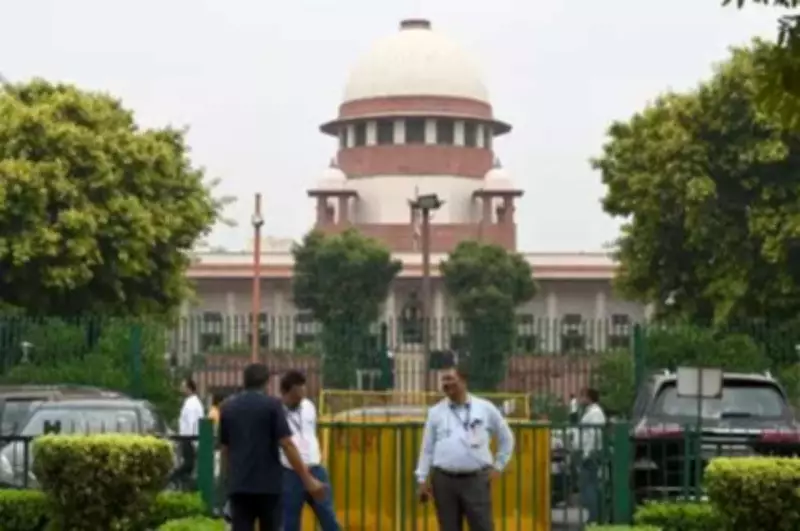
Supreme Court Mandates Long-Term Strategy to Combat Delhi-NCR Pollution
In a significant move to address the persistent air quality crisis, the Supreme Court of India has directed key Union ministries to develop a comprehensive plan for relocating all coal-based industries from the National Capital Region (NCR). The bench, comprising Chief Justice Surya Kant and Justices Joymalya Bagchi and Vipul M Pancholi, emphasized the urgency of tackling vehicular pollution while also focusing on industrial sources.
Focus on Industrial Relocation and Clean Fuel Alternatives
The court specifically asked the ministries of power, industry, and environment to submit a proposal for shifting coal-based industries out of NCR. Authorities were instructed to consider providing clean fuel options such as CNG, PNG, or LPG to these industries if they continue operations at their current locations. This dual approach aims to reduce emissions without immediately disrupting industrial activities.
Additional Solicitor General Aishwarya Bhati informed the court that the Commission for Air Quality Management (CAQM) has recommended developing PNG infrastructure in all industrial areas and establishing a uniform, affordable pricing structure to make its use economically viable for industries. CAQM also advised against establishing new thermal power plants within a 300 km radius of Delhi, citing emissions from existing coal-based plants.

Vehicular Pollution and Traffic Congestion Measures
While industrial pollution is a priority, the bench highlighted the need to address vehicular emissions, which significantly contribute to air pollution in Delhi-NCR. The court scheduled a hearing for March 12 to discuss issues related to pollution caused by vehicles. It has asked NCR states and the Municipal Corporation of Delhi to file action plans for relocating toll plazas in border areas to alleviate chronic traffic congestion at entry points.
Bhati reported that authorities have begun impounding vehicles compliant with BS-III norms or below, which are highly polluting. However, action against end-of-life BS-IV vehicles has been paused due to a Supreme Court interim order against coercive measures. The debate on balancing pollution control with vehicle longevity remains unresolved.
Additional Recommendations and Environmental Data
Amicus curiae Aparajita Singh raised concerns about roadside licensed kiosks on busy roads, identifying them as a major cause of congestion. She suggested that such kiosks should only be permitted in areas with adequate parking facilities, a suggestion the court agreed to consider on March 12.
CAQM's status report last month underscored the severity of air pollution in the region. Dust accounts for 10-18% of pollution in winter and 25-31% in summer, while the transport sector contributes 19-24% in winter and 18-21% in summer. In January, CAQM outlined short- and long-term measures, including mechanisms to decongest traffic at MCD toll plazas, and called for action plans from states and civic bodies within four weeks.
The Supreme Court's directives reflect a holistic approach to improving air quality in Delhi-NCR, targeting both industrial and vehicular sources while considering practical alternatives and regional coordination among Delhi, Haryana, Rajasthan, and Uttar Pradesh.