

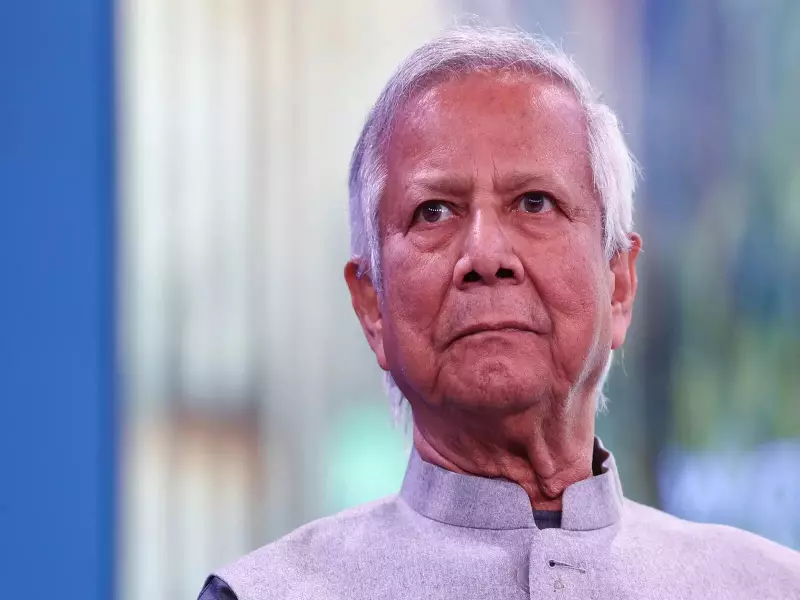
Bangladesh's interim government, led by Nobel laureate Muhammad Yunus, has witnessed another significant departure. Sayedur Rahman, the special assistant to the chief adviser for the health ministry, has resigned from his post. This marks the second exit of a senior official from the caretaker administration within the span of a single week.
Official Notification and Immediate Effect
The cabinet division formalized the departure by issuing a gazette notification on Tuesday night. The notification confirmed that the President of Bangladesh had accepted Rahman's resignation, making it effective immediately. This development was reported by prominent Bangladeshi newspaper The Daily Star on Wednesday. The specific reasons prompting Rahman's decision to step down were not immediately disclosed in the official announcement.
Rahman's Statement and Government Tenure
Providing some clarity, the Prothom Alo daily quoted Sayedur Rahman offering his perspective on the timeline. "I resigned a month ago. It was accepted on Tuesday. My government service term ended yesterday, Tuesday," Rahman stated. Before his appointment to the interim government, Rahman served as the Vice-Chancellor of the prestigious Bangabandhu Sheikh Mujib Medical University. He was appointed to the role of special assistant with the rank of a state minister in November of the previous year.

A Pattern of High-Level Exits
This resignation follows closely on the heels of another key departure. Khuda Baksh Chowdhury, who held the position of special assistant to the chief adviser for the home ministry, stepped down from his role on December 24. The back-to-back exits of two senior officials within a week raise questions about the stability and internal dynamics of the Muhammad Yunus-led interim government during a crucial period for the nation. The simultaneous departures from critical portfolios like health and home affairs are likely to be scrutinized by political observers and the public alike.
While the exact motivations behind Rahman's resignation remain unconfirmed, the event underscores a period of transition and potential recalibration within the country's temporary administrative framework. The interim government now faces the task of managing these high-profile vacancies while continuing its mandated duties.






