A prominent foreign affairs expert has issued a stark warning, stating there is a clear security threat to Indian diplomatic missions operating within Bangladesh. This alert comes amidst a complex political landscape in the neighboring country, raising significant concerns for Indian officials and citizens abroad.
Expert Analysis Points to Heightened Risks
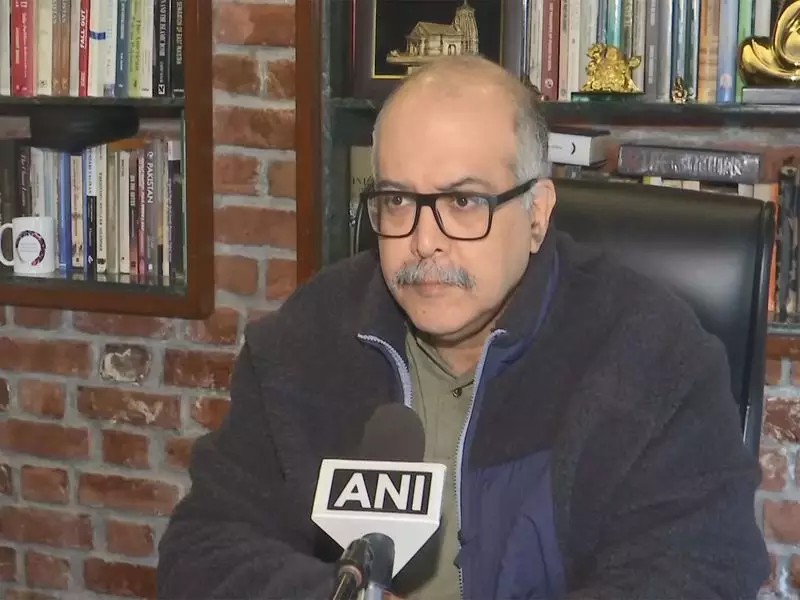
The assessment was provided by Dr. Sreeradha Datta, a well-known professor and foreign affairs specialist. She emphasized that the threat perception is not vague but distinctly evident. Dr. Datta, who serves as a Professor at the OP Jindal Global University and is a Non-Resident Senior Fellow at the Institute of South Asian Studies, National University of Singapore, highlighted the volatile environment. Her analysis points to a combination of factors that have created a precarious situation for India's diplomatic presence.
According to Dr. Datta, the primary concern stems from the deeply polarized political climate in Bangladesh. The expert noted that anti-India rhetoric has become a convenient tool for certain political factions, particularly in the lead-up to and aftermath of the national elections held in January 2024. This rhetoric, she argues, directly translates into tangible security risks for Indian establishments on the ground.

Political Polarization and Anti-India Sentiment
The core of the issue lies in the perception of India's stance towards the current Bangladeshi government led by Prime Minister Sheikh Hasina. Dr. Datta explained that India is widely viewed as a strong supporter of the Hasina administration. This perceived alignment has made Indian missions a potential target for groups and individuals opposed to the government. The expert clarified that while the threat is serious, it is not necessarily directed by the state itself but emerges from non-state actors and political elements capitalizing on public sentiment.
"There is a clear security threat to Indian missions in Bangladesh," Dr. Datta stated unequivocally. She elaborated that the Indian High Commission and other diplomatic offices are seen as symbols of the political status quo. In a climate where the opposition, particularly the Bangladesh Nationalist Party (BNP), has faced significant crackdowns, frustration can easily be channeled against what is perceived as external support for the ruling party.
Historical Context and Recent Precedents
This warning is not without precedent. Security concerns for Indian missions in Bangladesh have surfaced periodically. The expert's statement brings renewed attention to the need for constant vigilance. The political discourse in Bangladesh, especially following the January elections which the BNP boycotted, has further strained the social fabric, creating an environment where diplomatic facilities could be at risk.
Dr. Datta's analysis suggests that the security apparatus in Bangladesh is aware of these threats and that cooperation exists between Indian and Bangladeshi security agencies. However, the evolving nature of the threat from non-state actors makes complete mitigation challenging. The situation requires ongoing high-level diplomatic engagement and robust security protocols to ensure the safety of personnel and property.
Implications for Bilateral Relations
The security alert has broader implications for the crucial bilateral relationship between India and Bangladesh. While economic and developmental ties remain strong, the underlying political tensions pose a challenge. The expert's warning serves as a reminder that domestic politics in either country can directly impact diplomatic security and the overall tone of the partnership.
It underscores the necessity for nuanced diplomacy that acknowledges the internal dynamics of Bangladesh while safeguarding India's interests and its citizens. The Indian government is likely to review and possibly enhance security measures at its missions based on such expert assessments. The goal remains to protect diplomatic staff and ensure that bilateral relations, which are of strategic importance to both nations, are not derailed by security incidents.

In conclusion, the clear security threat identified by foreign affairs expert Dr. Sreeradha Datta highlights a significant challenge. It is rooted in the political polarization within Bangladesh and the perception of India's role. This situation demands continued vigilance, close security coordination, and sensitive diplomatic handling to navigate the complex landscape between the two neighboring countries.