

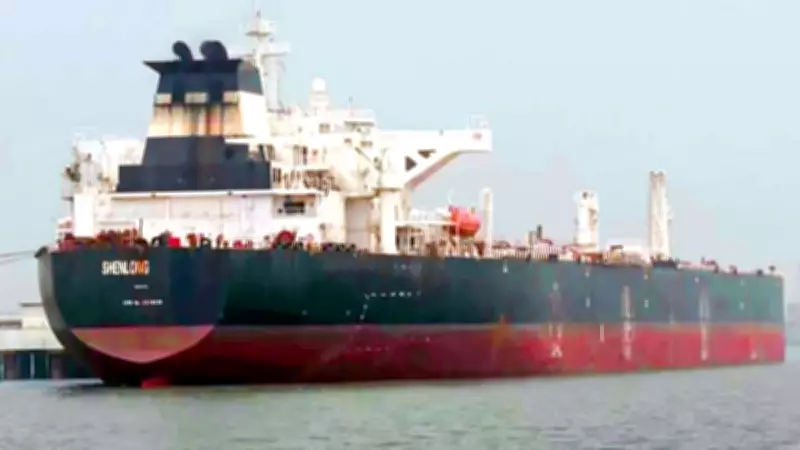
Shenlong Oil Tanker's High-Stakes Escape from Strait of Hormuz
In a dramatic maritime operation, the India-bound oil tanker Shenlong successfully navigated the Strait of Hormuz under the cover of darkness, escaping heightened tensions and potential conflict with Iran. This daring maneuver, which unfolded in early March 2026, highlights the escalating risks in one of the world's most critical shipping chokepoints, where geopolitical friction has threatened global oil supplies and maritime security.
A Perilous Passage Amid Rising Tensions
The Strait of Hormuz, a narrow waterway connecting the Persian Gulf to the Gulf of Oman, is a vital artery for global oil trade, with approximately one-fifth of the world's petroleum passing through it. In recent months, tensions between Iran and Western nations have intensified, leading to fears of military confrontation and disruptions to shipping lanes. The Shenlong, carrying a significant cargo of crude oil destined for India, found itself at the center of this volatile situation as it approached the strait.
According to reports, the tanker's crew executed a carefully planned nighttime transit to minimize visibility and avoid detection. This strategy, often referred to as a "dare in the dark," involved navigating through the strait's treacherous waters without the aid of standard lighting, relying instead on advanced navigation systems and covert communication. The operation was necessitated by intelligence suggesting increased Iranian naval activity and the potential for hostile actions against commercial vessels in the area.

Implications for Global Trade and Security
The successful escape of the Shenlong underscores the growing challenges faced by international shipping in conflict-prone regions. Key implications include:
- Increased Maritime Risks: The incident highlights how geopolitical tensions can directly threaten commercial shipping, forcing vessels to adopt risky tactics to ensure safe passage.
- Impact on Oil Markets: Any disruption in the Strait of Hormuz could lead to spikes in global oil prices, affecting economies worldwide, including India, which relies heavily on imported crude.
- Security Concerns: The event raises questions about the adequacy of current maritime security measures and the need for enhanced international cooperation to protect vital trade routes.
Indian authorities have closely monitored the situation, given the country's dependence on oil imports from the Middle East. The safe arrival of the Shenlong is seen as a relief, but it also serves as a stark reminder of the fragility of global supply chains in times of conflict.
Broader Context and Future Outlook
This incident occurs against a backdrop of ongoing diplomatic strains involving Iran, with regional powers and global actors grappling with issues such as nuclear negotiations and regional influence. The Strait of Hormuz has been a flashpoint in the past, with previous incidents involving tanker seizures and attacks, making the Shenlong's escape a notable event in maritime history.
Looking ahead, experts warn that without de-escalation efforts, similar scenarios could become more frequent, potentially leading to broader economic and security repercussions. The international community may need to reassess strategies for safeguarding critical waterways to prevent future crises.
In summary, the Shenlong oil tanker's daring nighttime transit through the Strait of Hormuz exemplifies the high stakes involved in global trade amid geopolitical turmoil. As tensions persist, the world watches closely, aware that the safety of such passages is integral to maintaining stability in energy markets and beyond.






