The recent state visit of Russian President Vladimir Putin to India has been widely interpreted as a reinforcement of the long-standing strategic partnership between the two nations. While the traditional pillars of energy and defence cooperation were prominently featured, a key insight from a top diplomat suggests the dialogue ventured into significantly newer territories.
Expanding the Horizon of Bilateral Engagement
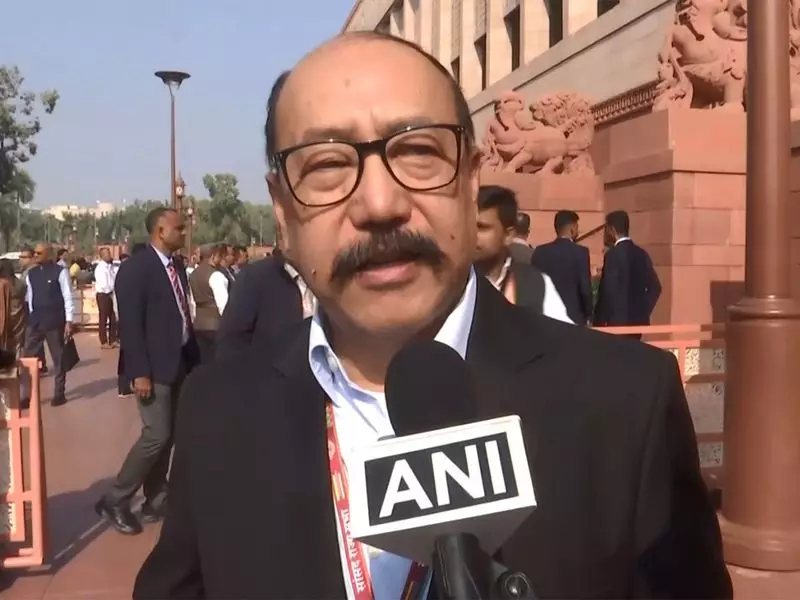
Former Foreign Secretary Harsh Vardhan Shringla, who now serves as the Chief Coordinator for India's G20 Presidency, provided a nuanced perspective on the talks. He indicated that the discussions during President Putin's one-day visit on December 6, 2021, were not confined to the usual domains. According to Shringla, the conversations focused on areas "which were not explored before," signalling a deliberate effort to broaden the foundation of the relationship.
This expansion is critical as both nations navigate a complex global geopolitical landscape. The talks, led by Prime Minister Narendra Modi and President Putin, resulted in the signing of 28 agreements. While major deals in defence, such as the procurement of the S-400 Triumf air defence systems, and in energy, including long-term cooperation on oil and gas, formed the core, the dialogue's scope was wider.

New Pillars: Connectivity, Trade, and Technology
Shringla highlighted that newer areas of collaboration are now coming to the fore. A significant focus was on enhancing connectivity, particularly through the International North-South Transport Corridor (INSTC) and exploring the Arctic route. These pathways are crucial for boosting bilateral trade and economic engagement beyond the current levels.
Furthermore, the discussions reportedly delved into cooperation in emerging sectors like technology and innovation, including areas such as artificial intelligence and cybersecurity. The aim is to build a more future-oriented partnership that complements the strong historical ties in defence and energy with growth in contemporary fields.
Navigating Geopolitical Currents
The visit and its outcomes underscore India's steadfast commitment to an independent foreign policy. Despite immense pressure from Western allies due to the Ukraine conflict, India has maintained its strategic balance, continuing its engagement with Russia. Shringla's comments reinforce that this relationship is not static but is dynamically evolving to include mutually beneficial avenues that align with both nations' long-term interests.
The exploration of new areas suggests a mature partnership that is adapting to the 21st century's demands. It moves the narrative beyond a purely buyer-seller dynamic in defence or a simple energy trade relationship. The focus on connectivity and technology points to a shared vision for creating sustainable, long-term linkages that can withstand global political fluctuations.
In conclusion, while the S-400 deal and energy agreements captured headlines, the true strategic takeaway from Putin's visit may be the quiet agreement to diversify the partnership's portfolio. As articulated by former Foreign Secretary Shringla, the future of India-Russia relations is being built on a broader base, exploring untapped potential to ensure the partnership's resilience and relevance for decades to come.