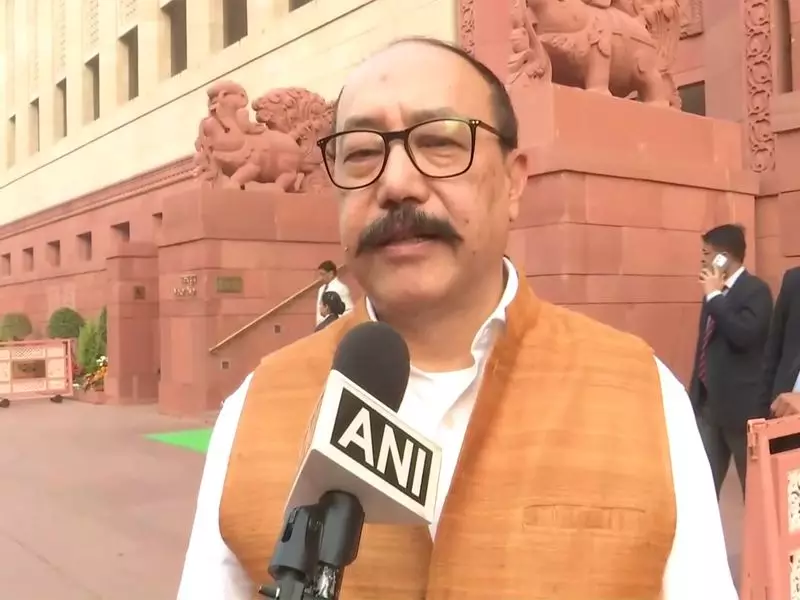
Former Foreign Secretary of India, Harsh Vardhan Shringla, has raised a serious allegation that the recent spate of protests targeting Indian diplomatic missions in various countries is not a spontaneous public outburst but a carefully orchestrated campaign. He directly linked this activity to the upcoming general elections in India, suggesting a deliberate attempt to create international pressure and a negative narrative against the government.
Connecting the Dots: Bangladesh Unrest and Mission Protests
Shringla, who also served as India's High Commissioner to Bangladesh, provided crucial context by connecting these protests to the ongoing political unrest in Bangladesh. He pointed out that the timing and nature of the demonstrations outside Indian missions, particularly in London and other Western capitals, coincide suspiciously with the volatile situation in Dhaka and other parts of Bangladesh.
The former top diplomat emphasized that the protests are being "orchestrated" by certain elements with a clear political agenda. He argued that these actors are leveraging the genuine grievances within Bangladesh to fuel anti-India sentiments on a global stage. The core issue in Bangladesh revolves around demands for Prime Minister Sheikh Hasina's resignation and the installation of a caretaker government to oversee the next national elections.
Election Season in India: A Prime Motive
Shringla identified the impending Lok Sabha elections in India as a primary motive behind this orchestrated campaign. He suggested that forces inimical to India's current leadership are seeking to internationalize issues and portray the government as facing diplomatic isolation or criticism from its own diaspora and the international community. The goal, according to his analysis, is to influence domestic political discourse and voter perception during a critical electoral period.
He elaborated that such tactics are not new in international politics, where external events are often manipulated to serve domestic political objectives. The protests, featuring specific slogans and organized gatherings, fit a pattern of coordinated action rather than organic public mobilization.
India-Bangladesh Relations and the Bigger Picture
While addressing the situation, Shringla also underscored the strength and importance of the bilateral relationship between India and Bangladesh. He described the ties as "robust" and built on a foundation of shared history, geographical necessity, and mutual economic interests. The former foreign secretary expressed confidence that the deep-rooted partnership can withstand these temporary attempts to create a rift.
However, he cautioned that such orchestrated protests, if left unaddressed, could provide fodder for misinformation campaigns and complicate the diplomatic environment. He called for a clear-eyed understanding of the forces at play, distinguishing between genuine expressions of concern and politically motivated theater designed for media consumption.
Shringla's remarks serve as a pointed commentary on the intersection of domestic politics, diaspora activism, and foreign policy. They highlight the challenges democratic nations face when geopolitical adversaries or opposition groups use foreign soil and international platforms to launch perception-based attacks timed with electoral cycles. The assertion puts a spotlight on the need for proactive diplomatic communication to counter narratives that may seek to undermine India's standing or its government's stability during a pivotal election year.