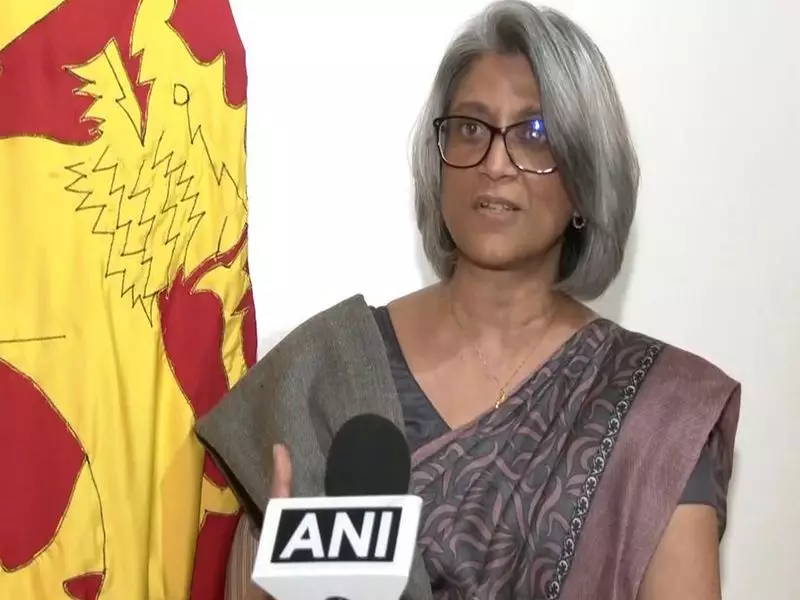
Sri Lanka's top diplomat in India has publicly lauded New Delhi's steadfast support, describing it as a exemplary model of cooperation for the wider Indian Ocean and Indo-Pacific regions. The endorsement highlights the deepening strategic and economic partnership between the two neighbouring nations.
High Commissioner's Praise at a Delhi Forum
Sri Lankan High Commissioner to India, Milinda Moragoda, made these significant remarks during his address at the 'India-Sri Lanka: Partners in Progress' conference. The event was organized in New Delhi by the Asian Confluence, a prominent think tank, on May 15, 2024.
Moragoda emphasized that India's assistance has been both consistent and crucial. "India's consistent assistance to Sri Lanka serves as a model for the Indian Ocean and Indo-Pacific regions," he stated. He pointed out that this support is not merely transactional but is rooted in a shared civilizational history and a profound understanding of Sri Lanka's challenges and opportunities.

Beyond Crisis: A Framework for Sustainable Partnership
The High Commissioner's comments go beyond acknowledging the recent financial aid during Sri Lanka's severe economic crisis. He framed India's approach as a comprehensive and principled framework for international relations in the region.
Moragoda outlined several key pillars of this model partnership:
- Respect for Sovereignty: India's policy is based on treating neighbours as equals and respecting their independence.
- Non-Interference: A cornerstone of the relationship, allowing Sri Lanka to pursue its own political and economic path.
- People-Centric Connectivity: Focusing on projects that directly improve the lives of ordinary citizens in both countries.
- Civilizational Links: Leveraging deep-rooted historical, cultural, and religious ties as a foundation for modern diplomacy.
He specifically highlighted transformative projects like the unification of the electricity grids between the two nations and the proposed Petroleum Pipeline as tangible examples of this forward-looking connectivity.
Context and Strategic Implications
This public commendation comes at a pivotal time. Sri Lanka, having navigated through a dire economic situation, continues its recovery journey. India's support, estimated at around $4 billion in credit lines, currency swaps, and deferred loan payments, was instrumental in stabilising the island nation.
Moragoda's framing of this aid as a "model" carries significant strategic weight. It positions India's neighbourhood-first policy, often contrasted with other global powers' approaches in the Indo-Pacific, as one based on mutual benefit, stability, and long-term trust. This narrative strengthens India's role as a reliable and responsible net security provider in the maritime commons of the Indian Ocean.
The envoy also touched upon the importance of concluding the Economic and Technology Cooperation Agreement (ETCA) to further boost trade and investment ties, indicating that the partnership is poised to move from crisis management to ambitious, growth-oriented collaboration.
In essence, Sri Lanka's endorsement serves as a powerful diplomatic testament to India's foreign policy in its immediate vicinity. It suggests that New Delhi's blend of timely assistance, strategic restraint, and focus on connectivity is being recognised as a successful and replicable template for fostering peace and prosperity across the Indian Ocean Region and the broader Indo-Pacific theatre.