

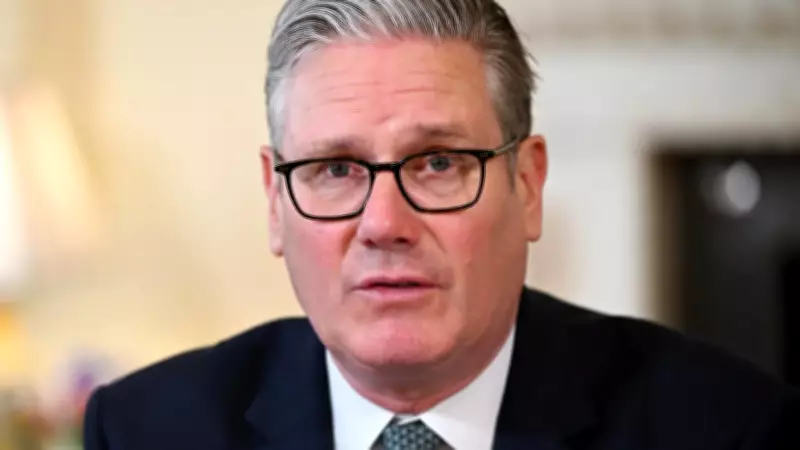
UK Prime Minister Keir Starmer Admits Fault in Controversial Ambassador Appointment
British Prime Minister Keir Starmer publicly acknowledged on Monday that he exercised poor judgment in appointing Peter Mandelson as the United Kingdom's ambassador to Washington. Starmer stated unequivocally that he would have halted the appointment had he been aware that Mandelson had failed critical security vetting processes.
Security Vetting Details Withheld from Prime Minister
Addressing the House of Commons, Starmer revealed that crucial facts regarding Mandelson's security clearance "could and should have been shared with me before he took up his post." The Prime Minister emphasized, "I would not have gone ahead with the appointment" if he had possessed this information beforehand. Starmer expressed significant frustration, stating he was "furious" that an intensive vetting process—which reportedly recommended against granting Mandelson security clearance—was not communicated to him.
Starmer placed direct responsibility on Foreign Office officials, accusing them of failing to inform him despite the department ultimately clearing Mandelson for the role. His explanation faced skepticism from lawmakers across the political spectrum. "I know many members across the House will find these facts to be incredible," Starmer conceded. "To that, I can only say they are right. It beggars belief."

Political Fallout and Criticism
Conservative lawmaker Kemi Badenoch launched a sharp critique of Starmer's handling of the situation. "It doesn't appear that he asked any questions at all. Why? Because he didn't want to know," Badenoch asserted. She further accused the Prime Minister of having "thrown his staff and his officials under the bus" to deflect blame.
Despite the controversy, Starmer has resisted calls for his resignation. Senior ministers have rallied behind him, with Deputy Prime Minister David Lammy defending Starmer's position. Lammy stated that if Starmer had known about the failed vetting, "he would never, ever have appointed him ambassador."
Background of the Mandelson Controversy
Peter Mandelson was dismissed from his ambassadorial position in September, merely nine months after assuming the role. His removal followed revelations about his friendship with the late financier Jeffrey Epstein, which had been flagged by Starmer's staff as posing a "reputational risk." Documents released by the US Department of Justice in January included emails suggesting Mandelson shared sensitive government information with Epstein in 2009, following the global financial crisis.
In response to the scandal, Starmer removed the top Foreign Office civil servant, Olly Robbins. However, allies of Robbins contend that he would not have been authorized to share sensitive vetting details with the Prime Minister. Robbins is expected to provide his testimony to the Foreign Affairs Committee regarding the matter.
Broader Political Implications
The controversy has created unease within the Labour Party, which is already grappling with concerning poll ratings. Political analysts suggest pressure on Starmer could intensify if the party performs poorly in the upcoming local and regional elections scheduled for May 7.
Critics argue this episode underscores broader challenges in Starmer's leadership since Labour's election victory in July 2024. The Prime Minister has faced difficulties managing economic growth, public services, and the cost-of-living crisis, alongside several notable policy reversals.
Ongoing Legal Proceedings
In a related development, British police launched a criminal investigation and arrested Peter Mandelson in February on suspicion of misconduct in public office. Mandelson has denied any wrongdoing and has not been formally charged. It is important to note that he does not face allegations of sexual misconduct in connection with this case.






