UK Prime Minister Firmly Rejects Direct Military Role in Iran War
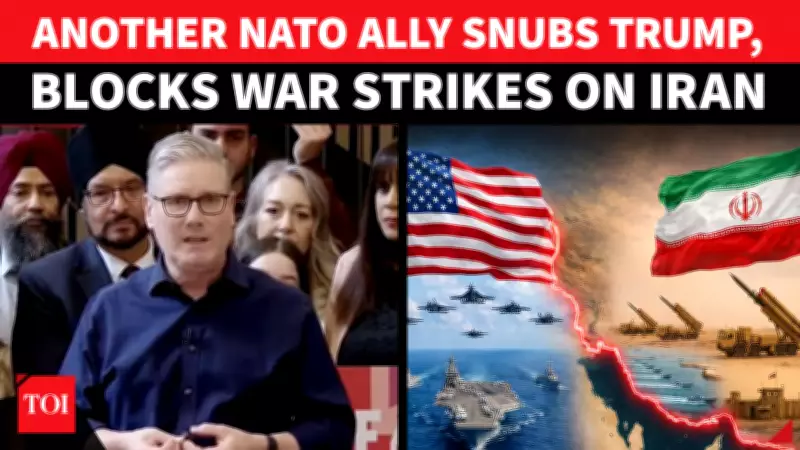
In a bold declaration that could significantly impact international relations, UK Prime Minister Keir Starmer has emphatically stated that Britain will not be drawn into direct military involvement in the escalating Iran conflict. Speaking at a campaign event in Wolverhampton, Starmer asserted that this conflict is "not our war," positioning the UK on a cautious diplomatic path that prioritizes national interests over alliance pressures.
Strategic Positioning Amid Escalating Tensions
Starmer outlined a nuanced approach where the United Kingdom will continue to protect its citizens and strategic interests in the Gulf region while supporting allied nations. However, he made it clear that this support will not extend to direct military engagement that could pull Britain into a broader, more dangerous conflict. This stance represents a careful balancing act between maintaining international partnerships and avoiding entanglement in what Starmer perceives as a regional war.
Potential Strain on Transatlantic Relations
The Prime Minister's remarks are likely to further strain already tense relations with US President Donald Trump, who has been vocal in his criticism of NATO allies—particularly the United Kingdom—for what he views as inadequate support in global conflicts. Trump has specifically targeted Starmer, accusing him of offering military assistance only after critical phases of the conflict had concluded, suggesting a pattern of delayed or insufficient commitment from the UK.

- Clear refusal of direct military involvement in Iran conflict
- Commitment to protecting UK citizens and interests in the Gulf
- Continued support for allied nations through diplomatic and non-military means
- Recognition of potential diplomatic consequences with the United States
Broader Implications for UK Foreign Policy
This declaration marks a significant moment in UK foreign policy under Starmer's leadership, potentially signaling a more independent approach to international conflicts that prioritizes British national interests over automatic alignment with traditional allies. The Prime Minister's stance reflects growing concerns about the risks of escalation in the Middle East and a calculated decision to avoid direct military engagement that could have unpredictable consequences for regional stability and global security.
As the Iran conflict continues to develop with reports of strikes on US-linked sites, alleged spy networks being dismantled, and nuclear tensions rising, Starmer's position establishes clear boundaries for UK involvement. This approach may influence how other NATO members respond to the conflict and could reshape alliance dynamics in an increasingly volatile geopolitical landscape.