

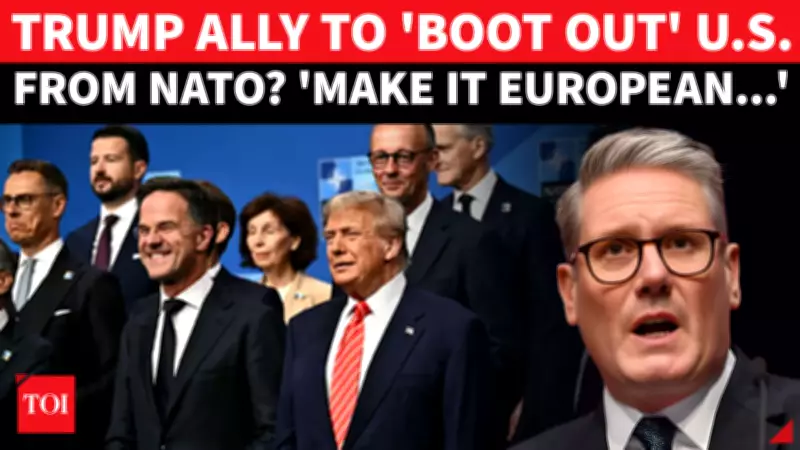
British PM Calls for European Defense Independence at Munich Conference
In a significant address at the Munich Security Conference, British Prime Minister Keir Starmer delivered a stern message to European allies, urging them to reduce their reliance on the United States for defense and security. Starmer emphasized the need for Europe to break what he described as the "bad habits" formed under Washington's long-standing "security umbrella."
A Push for a More European NATO
The British leader went further by advocating for the creation of a more European-centric NATO structure. This proposal comes amid growing geopolitical tensions and shifting global alliances, with Starmer positioning European self-reliance as a critical strategic imperative. His comments reflect a broader debate about the future of transatlantic security cooperation, particularly as political dynamics in the US continue to evolve.
The timing of this speech is noteworthy, as it aligns with increasing discussions about European strategic autonomy. Starmer's call to action suggests a deliberate move to prepare European nations for potential changes in US foreign policy, which could impact traditional defense partnerships.

Context and Implications
Starmer's address at the Munich Security Conference, a key forum for international security dialogue, underscores the urgency of his message. By highlighting the need for Europe to take greater responsibility for its own security, he is effectively challenging the status quo that has defined Euro-Atlantic relations for decades.
This development raises important questions about the future of NATO and European defense integration. As global power dynamics shift, Starmer's vision for a more independent European defense bloc could reshape military and diplomatic strategies across the continent. The proposal also touches on broader themes of sovereignty and collective security in an increasingly multipolar world.
Observers note that such a move would require substantial coordination among European nations, including increased defense spending, shared military capabilities, and enhanced political will. The success of this initiative would depend on overcoming historical divisions and building a cohesive European security framework.






