

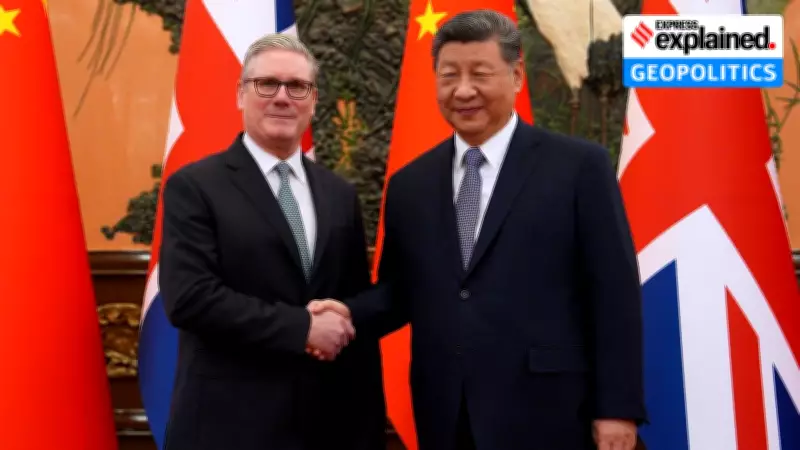
UK-China Ties: A Tumultuous Journey and Starmer's 'Reset' Mission
The relationship between the United Kingdom and China has long been characterized by volatility and complexity. In a significant diplomatic move, UK Prime Minister Keir Starmer embarked on a three-day visit to China, concluding on January 31, 2026. This trip, the first by a British Prime Minister in eight years, is widely viewed as an attempt to 'reset' the bilateral ties that have soured over recent years.
Starmer's Visit: Key Outcomes and Global Context
During his visit, Starmer met with Chinese President Xi Jinping in Beijing, accompanied by a delegation of approximately 60 British businesses and cultural organizations. The discussions yielded several important announcements, most notably the pharmaceutical giant AstraZeneca agreeing to invest $15 billion in China over the next four years. This underscores a renewed focus on economic collaboration.
An official statement from the Chinese Foreign Ministry highlighted the global backdrop, emphasizing that the international order is under strain and major countries should champion multilateralism and free trade. This visit comes at a time when global dynamics are shifting, with pressures from the United States under President Donald Trump's administration adding to the complexities.

Why UK-China Relations Deteriorated
The decline in UK-China ties can be traced back to multiple factors over the past decade. A 2020 briefing for the UK House of Commons detailed the deteriorating relationship, citing key issues:
- Huawei's Involvement in 5G Networks: Concerns over security risks led to the ban of the Chinese multinational company from the UK's 5G mobile network, amid US opposition and allegations of technology theft.
- Hong Kong's Status: China's increasing influence over Hong Kong, which was returned to China in 1997 under a 'one country, two systems' framework, has caused friction, with many Hong Kongers fleeing to the UK to escape crackdowns.
- Other Factors: These include Chinese secrecy regarding the origins of the Covid-19 pandemic and human rights issues in Xinjiang, alongside recurring concerns about espionage activities and surveillance by China in the UK.
Recent incidents, such as alleged Chinese spies accessing high levels of the UK government and controversies over a proposed Chinese embassy complex in London, have further eroded trust between the two nations.
Global Pressures and Economic Motivations
The second Trump administration has intensified trade threats, with Trump criticizing UK-China business dealings as 'very dangerous.' This, combined with the UK's economic challenges—including a cost-of-living crisis and stagnant growth post-Brexit and the pandemic—has prompted a strategic pivot back to China.
Starmer emphasized to Xi Jinping the need for a 'more sophisticated relationship' that allows for collaboration and dialogue on disagreements. This aligns with China's efforts to diversify its markets beyond the US, focusing on partnerships in the developing world and now re-engaging with Western allies like the UK.
Post-Visit Developments and Future Prospects
Following the visit, several trade measures were announced, including China reducing tariff rates on British whisky from 10% to 5% and allowing British citizens visa-free travel for up to 30 days. The governments also agreed to explore negotiations on a services agreement, leveraging the UK's strength as the world's second-largest exporter of services.
However, rebuilding trust after years of twists and turns remains a challenge. As noted by journalists on the trip, heightened electronic security precautions among delegates reflect the underlying tensions. Despite this, both sides express a commitment to developing a long-term partnership, recognizing that past conflicts have not served their interests.
In summary, Keir Starmer's visit to China represents a critical juncture in UK-China relations, driven by global economic pressures and diplomatic necessities. While the path forward is fraught with historical mistrust and external threats, the 'reset' aims to foster a more stable and cooperative bilateral framework for the future.






