

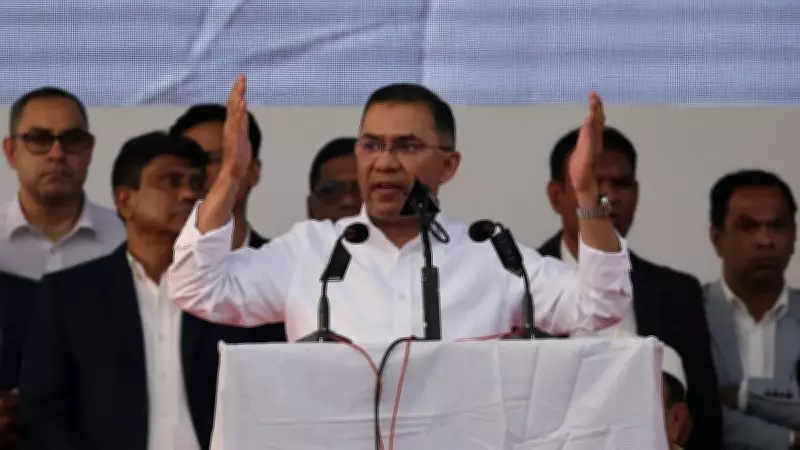
Tarique Rahman: The 'Dark Prince' Poised to Lead Bangladesh After Years in Exile
Tarique Rahman, a prominent political figure often referred to as the 'dark prince,' is on the verge of assuming a leadership role in Bangladesh following an extended period of exile. His anticipated return marks a significant shift in the nation's political landscape, drawing attention from both domestic and international observers.
Rahman's Vision for Bangladesh's Global Relations
In recent statements, Rahman has outlined a strategic vision aimed at transforming Bangladesh's international partnerships. He has pledged to reshape the country's ties with the world by actively seeking investment from a diverse array of global partners. This approach represents a deliberate move away from relying heavily on any single nation, signaling a potential reorientation of Bangladesh's foreign policy and economic strategies.
Key elements of Rahman's proposed foreign policy include:

- Diversification of investment sources to reduce dependency on traditional allies.
- Fostering multilateral engagements to enhance Bangladesh's global standing.
- Promoting economic resilience through balanced international collaborations.
Background and Political Journey
Tarique Rahman's political journey has been marked by controversy and exile, earning him the moniker 'dark prince' among critics and supporters alike. His years abroad have not diminished his influence within Bangladesh's political sphere, as he remains a central figure in discussions about the country's future leadership.
The prospect of his return and potential leadership raises questions about how his experiences in exile might shape his governance style and policy priorities. Observers note that his time away could provide a unique perspective on global affairs, potentially informing his approach to international relations and economic development.
Implications for Regional Dynamics
Rahman's emphasis on seeking investment from multiple partners could have far-reaching implications for regional dynamics, particularly in South Asia. By reducing reliance on any single country, Bangladesh may position itself as a more independent actor in international forums, potentially altering existing alliances and trade relationships.
This strategy aligns with broader trends in global diplomacy, where nations are increasingly prioritizing diversified partnerships to mitigate risks and capitalize on emerging opportunities. Rahman's leadership, if realized, could thus place Bangladesh at the forefront of this evolving geopolitical landscape.
As the situation develops, the international community will be closely monitoring Rahman's next moves and the implementation of his proposed policies. His return from exile and ascent to leadership represent a pivotal moment for Bangladesh, with potential consequences for its domestic stability and global engagements.






