

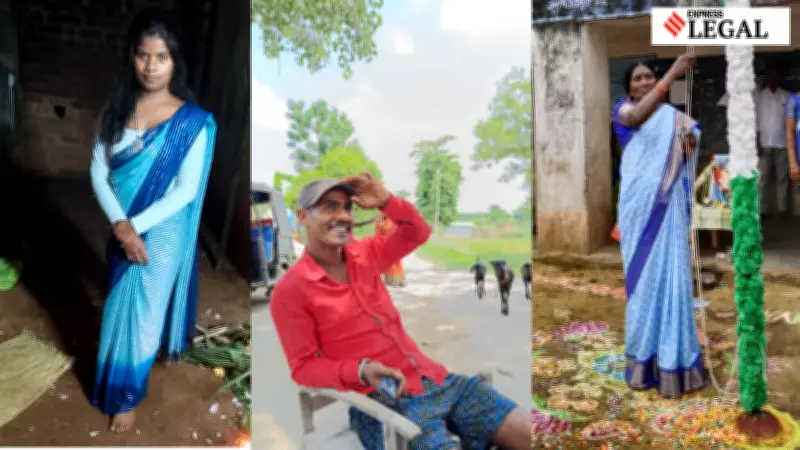
50 Years After Abolition Act: Three Survivors Break Chains of Bonded Labour
As India marks the 50th anniversary of the Bonded Labour System (Abolition) Act in 2026, the stories of Ranjita, Govind, and Lingamma stand as powerful testaments to resilience and hope. Passed on February 9, 1976, this landmark legislation aimed to eradicate forced labor, yet behind the nation's progress, the cruel system persists. These three individuals, once trapped in the darkness of bonded labour, have reclaimed their dignity and now inspire others with their journeys of courage and determination.
The Kiln: Ranjita's Ordeal and Redemption
Ranjita, hailing from Tanmaya village in Odisha, was just 12 years old when her family, struggling with extreme poverty, was lured by a middleman's promises of a lucrative job in Bengaluru. In 2011, they embarked on a journey that led to a brick kiln in Ramanagara, where they were confined to a small, doorless hut with no electricity, clean water, or sanitation. Her family faced backbreaking work, flipping bricks all day under constant threats from henchmen.
Ranjita recalls the horrors: "The men threatened to rip our parents' skin off if we did not comply. We were given unknown white powder to keep us productive, and my parents worked from 4 am until midnight." After five months of suffering, a rescue team arrived in early 2012, following a tip-off. The children were hidden in a forest, but their footprints in the wet mud led to their discovery. Today, at 24, Ranjita serves as Secretary of Shram Vahini, training officials and police on bonded labour issues, and proudly dons a saree as she advocates for survivors.

The Factory: Govind's Escape and Empowerment
Govind, an 18-year-old from Sitamarhi, Bihar, traveled 2,182 kilometers to Bengaluru in 2017 after being promised a decent salary and amenities. Instead, he found himself in a plastic waste factory, working 12-hour shifts melting plastic without safety gear for a paltry Rs 6,000 a month. Confined to the factory premises, he witnessed brutal beatings of those who tried to escape.
Govind describes the fear: "They would thrash escapees until they bled and urinated from pain." After six months, he and friends secretly called authorities, leading to a rescue by police. Reunited with his family, Govind now works as a paddy trader and mango orchard manager. He is also part of Nai Pehchan Sangathan Sitamarhi, raising awareness about bonded labour, and serves as a ward secretary, ensuring his community's needs are met.
The Coast: Lingamma's Village Liberation
Lingamma, a 50-year-old Chenchu tribal woman from Amaragiri village in Telangana, was displaced to the Krishna Riverbank in the early 2000s, where her entire village fell into bonded labour. Middlemen from upper-caste communities trapped them in debt, forcing them to fish day and night for meager payments. "We moved for livelihood but became prey to exploitation," she says.
In 2016, a rescue team discovered the village's plight, freeing 36 families. Today, Lingamma is the sarpanch of her village, vowing to protect others from bonded labour. "I will ensure freedom for all," she declares. Her village now flourishes, with panchayati elections reflecting empowerment and integration with government systems.
Government Efforts and Ongoing Challenges
Additional Chief Secretary of Karnataka, Uma Mahadevan, emphasizes the state's efforts to combat bonded labour, including notifying 52 authorities as bonded labour prohibition officers and forming vigilance committees. The government provides immediate assistance of ₹30,000 and monthly support of ₹2,000 for 24 months to rescued labourers. Randeep D, Secretary in the Rural Development Department, notes proactive measures to eliminate the practice systematically.
Despite these steps, the stories of Ranjita, Govind, and Lingamma underscore the persistent reality of bonded labour in India. Their triumphs, however, offer a beacon of hope, demonstrating that with resilience and support, survivors can break free and rebuild their lives, inspiring a future where dignity prevails over exploitation.






