Trump Ramps Up Criticism of NATO Allies Over Iran Military Campaign
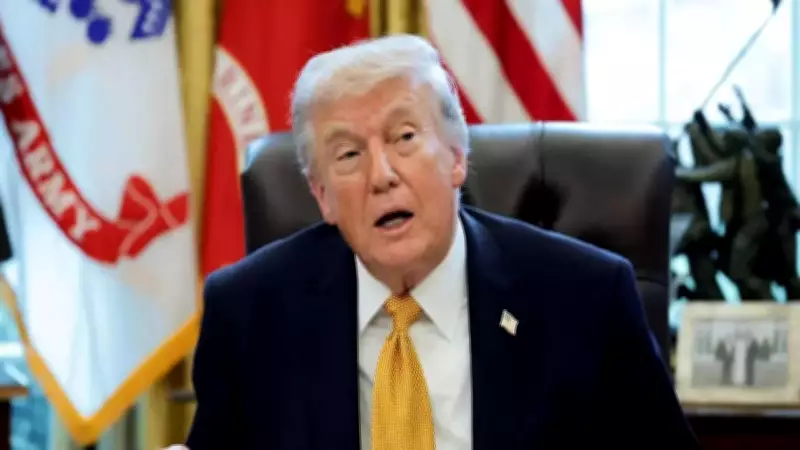
Former United States President Donald Trump has dramatically escalated his rhetoric regarding Iran, delivering a pointed message to what he termed "non-responsive" allies who have declined to support Washington's ongoing military operations against Tehran. In a recent post on his Truth Social platform, Trump questioned the consequences of decisively confronting what remains of the Iranian state, suggesting that such action might compel reluctant allies to engage more actively.
Direct Challenge to International Partners
"I wonder what would happen if we 'finished off' what's left of the Iranian Terror State, and let the Countries that use it, we don't, be responsible for the so called 'Straight?' That would get some of our non-responsive 'Allies' in gear, and fast!!!" Trump wrote, clearly referencing the strategically vital Strait of Hormuz. This statement comes amid increasing diplomatic strain between the United States and its traditional partners concerning the conflict with Iran and the security of this crucial maritime passageway, which handles approximately one-fifth of the world's crude oil shipments.
Earlier this week, Trump had already asserted American self-sufficiency, declaring that the United States is "by far the most powerful country anywhere in the world and they do not need the help of anyone!" He specifically noted that several NATO allies had chosen not to participate in the US-led military campaign against Iran, despite widespread international agreement on preventing Tehran from obtaining nuclear weapons.

Allied Reluctance and Global Economic Impact
The diplomatic friction has been exacerbated by key allies expressing clear reluctance to join any military operations. Canada confirmed it had not been consulted regarding the US-Israeli strikes that initiated the conflict and would not engage in offensive actions. British Prime Minister Keir Starmer emphasized that the United Kingdom is collaborating with partners on a "viable" plan to reopen the Strait of Hormuz but explicitly ruled out a NATO-led mission.
Germany maintained that the conflict is "not a matter for NATO," while other nations including Japan, Australia, Poland, Spain, Greece, and Sweden have similarly distanced themselves from potential involvement. During a meeting in Brussels, European Union foreign ministers displayed "no appetite" to expand their naval operations into the Gulf region.
This international standoff occurs against a backdrop of significant economic disruption. Global oil prices have surged by 40–50% following Iranian attacks on shipping in the Strait of Hormuz and retaliatory missile and drone strikes across the region. These hostilities were triggered by the war launched by the United States and Israel on February 28, creating widespread instability in energy markets.
Broader Context and Strategic Implications
Trump's comments follow his earlier appeal this week urging allies to assist in securing the Strait of Hormuz. "We strongly encourage the other nations to get involved with us and get involved quickly and with great enthusiasm," he stated during a White House event on Monday. However, the consistent refusal from multiple allies highlights a growing divergence in international approaches to Middle Eastern security.
The situation has been further complicated by recent military developments, including US strikes on Iranian missile sites near the Strait of Hormuz and Iranian cluster bomb attacks on Tel Aviv. Additionally, the confirmed death of Iranian national security chief Ali Larijani, with President Pezeshkian offering condolences, and Israel admitting to a strike on the Iranian official, have intensified the conflict, raising fears about prolonged regional instability and its impact on global oil supplies.