Trump Announces Ceasefire Extension Against Iran Following Pakistan's Diplomatic Request
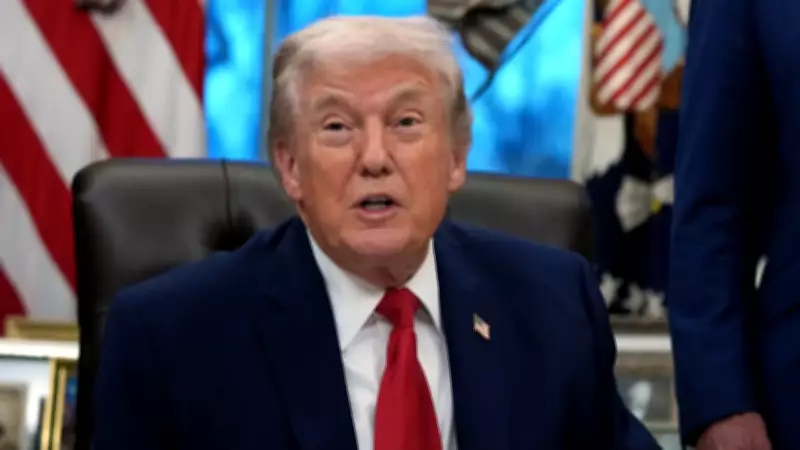
In a significant development, US President Donald Trump declared on Wednesday an extension of the ceasefire against Iran, attributing the decision to a formal request from Pakistan's top leadership. This announcement came just hours before the previously set ceasefire deadline was due to expire, marking a pivotal moment in the ongoing tensions between the United States and Iran.
Trump's Statement and Conditions for the Ceasefire
In his official statement, President Trump launched a sharp critique of the Iranian government, describing it as "seriously fractured". He emphasized that the United States would maintain its naval blockade at Iranian ports until Tehran presents a "unified proposal" for negotiations. Trump detailed this stance in a post on Truth Social, where he wrote, "Based on the fact that the Government of Iran is seriously fractured, not unexpectedly so and, upon the request of Field Marshal Asim Munir, and Prime Minister Shehbaz Sharif, of Pakistan, we have been asked to hold our Attack on the Country of Iran until such time as their leaders and representatives can come up with a unified proposal. I have therefore directed our Military to continue the Blockade and, in all other respects, remain ready and able, and will therefore extend the Ceasefire until such time as their proposal is submitted, and discussions are concluded, one way or the other."
Iran's Dismissive Response to the Ceasefire Extension
The announcement provoked an immediate and forceful reaction from Iranian officials. Mahdi Mohammadi, an adviser to Iran’s parliament speaker, outright rejected the ceasefire extension, asserting that "the losing side cannot dictate terms". He argued that Trump's move "means nothing" to Iran and called for military retaliation against the United States. In a post on X, Mohammadi stated, "Trump's extension of the ceasefire means nothing. The losing side cannot set the terms. Continuing the siege is no different from bombing and must be responded to militarily. Meanwhile, Trump's extension of the ceasefire certainly means buying time for a surprise strike. It is time for Iran to take the initiative."

Pakistan's Role as a Diplomatic Intermediary
In contrast, Pakistan welcomed Trump's decision, positioning itself as a crucial diplomatic bridge between the two nations. Prime Minister Shehbaz Sharif expressed gratitude to President Trump for accepting Pakistan's request and voiced optimism for a "comprehensive peace deal" between the US and Iran. Sharif stated, "On my personal behalf and on behalf of Field Marshal Syed Asim Munir, I sincerely thank President Trump for graciously accepting our request to extend the ceasefire to allow ongoing diplomatic efforts to take their course. With the trust and confidence reposed in, Pakistan shall continue its earnest efforts for negotiated settlement of the conflict. I sincerely hope that both sides will continue to observe the ceasefire and be able to conclude a comprehensive ‘Peace Deal’ during the second round of talks scheduled at Islamabad for a permanent end to the conflict."
Background and Previous Diplomatic Efforts
This latest extension follows an earlier ceasefire deadline that was aimed at fostering a diplomatic agreement. However, those efforts collapsed after a marathon 21-hour negotiation session held in Islamabad, highlighting the complexities and challenges in resolving the US-Iran conflict. The ongoing blockade and military readiness underscore the volatile nature of the situation, with both sides maintaining a stance of preparedness while diplomatic channels remain open.
The international community is closely monitoring these developments, as the outcome could significantly impact regional stability and global geopolitics. Pakistan's active involvement as a mediator adds a new dimension to the conflict, potentially paving the way for renewed talks and a peaceful resolution.