White House Confirms Ceasefire Extension With Iran, Maintains Strategic Pressure
The administration of President Donald Trump has issued a significant statement regarding ongoing tensions with Iran, confirming that the temporary ceasefire between the two nations has been formally extended. This development comes amidst a backdrop of heightened geopolitical strain in the Middle East, with the United States asserting its strategic dominance through continued economic measures.
No Deadline Set, But Economic Stranglehold Tightens
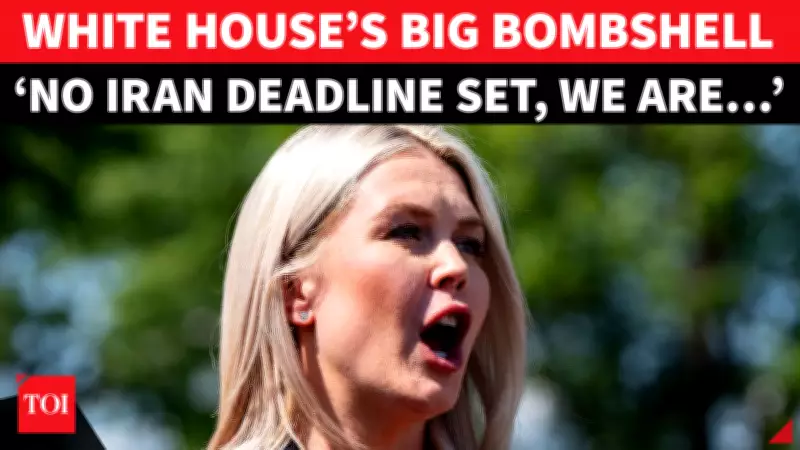
Press Secretary Karoline Leavitt, speaking on behalf of the White House, explicitly stated that President Trump has not established any specific deadline for Iran to respond to diplomatic overtures or demands. This posture of strategic patience, however, is coupled with an unwavering application of economic pressure. The United States is enforcing a powerful naval blockade in key maritime regions, severely restricting Iran's ability to export oil—a critical revenue source for the Tehran regime.
According to official US assessments, this blockade is inflicting substantial financial damage, with Iran reportedly losing an estimated $500 million daily due to the collapse of its oil export capabilities. This sustained economic pressure is designed to weaken the Iranian government's position and force concessions in any future negotiations.

Internal Iranian Divisions Deepen Amid External Pressure
The compounding effects of international isolation and severe economic sanctions are exacerbating long-standing internal fissures within Iran. Reports indicate a deepening divide between hardline factions, who advocate for a more confrontational stance against the United States, and pragmatists within the Iranian political and military establishment who may be more inclined to seek a diplomatic resolution to ease the crippling sanctions.
This internal discord presents a complex challenge for the Iranian leadership as it formulates a response to the extended ceasefire and the ongoing US-led pressure campaign. The White House appears to be banking on these divisions to eventually compel Tehran to the negotiating table on terms favorable to Washington.
Washington's Calculated Strategy of Leverage and Patience
Analysts view the Trump administration's approach as a calculated strategy of applying maximum pressure while demonstrating a willingness to wait. By extending the ceasefire without a public ultimatum, the US maintains a position of strength and avoids being seen as rushing into a potentially unfavorable deal. President Trump is effectively holding significant strategic leverage, signaling to allies and adversaries alike that the United States can afford to be patient in pursuit of its long-term objectives in the region.
The situation remains fluid and highly volatile. The extension of the ceasefire provides a temporary respite from overt military confrontation, but the underlying tensions, fueled by the naval blockade and the severe economic stranglehold, ensure that the Iran-US standoff continues to be a central flashpoint in global geopolitics, with implications for Middle Eastern stability and international energy markets.