

Trump's Strategic Misstep: India's Defiant Stance Against Washington's Pressure
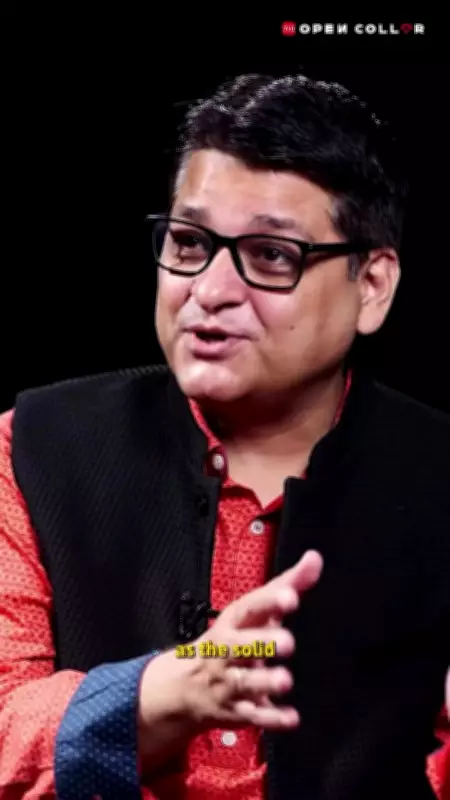
In a revealing conversation, Retired Major Gaurav Arya engages with distinguished analyst Dr. Harsh V. Pant to dissect former President Donald Trump's critical miscalculations regarding India's position on the global stage. The dialogue explores why New Delhi has consistently refused to bow to Washington's pressure, instead charting an independent course that reflects its growing geopolitical confidence and strategic autonomy.
The Flawed Assumptions of American Leverage
Dr. Pant elaborates on how Trump's administration operated under several flawed assumptions about its ability to influence India through traditional leverage points. Washington believed that economic dependencies and security partnerships would compel New Delhi to align more closely with American priorities, particularly on issues like trade deficits, defense purchases, and regional security frameworks. However, India's leadership demonstrated a sophisticated understanding of its own strategic value, recognizing that the bilateral relationship is increasingly reciprocal rather than hierarchical.
"The Trump team underestimated India's capacity for strategic pushback," notes Dr. Pant. "They assumed that pressure tactics that worked with other nations would yield similar results with New Delhi, but India's unique position as a democratic counterweight to China and its massive market made it less susceptible to coercion."

India's Calculated Pushback and Strategic Autonomy
The conversation highlights how India has methodically pushed back against American pressure through a combination of diplomatic firmness and diversified partnerships. New Delhi has strengthened ties with traditional allies while actively exploring new collaborations beyond Washington's orbit, including with Russia, Japan, Australia, and various Middle Eastern nations. This multi-alignment strategy has provided India with greater bargaining power and reduced its vulnerability to unilateral demands from any single partner, including the United States.
Major Arya emphasizes that India's approach is not about defiance for its own sake but about protecting core national interests. "India's foreign policy is driven by pragmatic considerations rather than ideological alignment," he explains. "When Washington's demands conflicted with New Delhi's strategic autonomy or economic priorities, the response was firm and unambiguous."
The European Pivot and Deepening Engagement with India
An important dimension discussed is how Europe's deepening engagement with India has further complicated Washington's leverage calculations. As European nations recognize India's growing economic and strategic significance, they have pursued independent partnerships that often align with New Delhi's priorities, particularly in areas like technology transfer, climate cooperation, and alternative supply chains. This European pivot has provided India with additional diplomatic space and reduced its isolation when facing American pressure.
Dr. Pant observes that this trend reflects a broader recognition of India's central role in the emerging global order. "Europe understands that engaging India on equal terms yields better results than attempting to pressure it," he says. "This has created a more balanced dynamic where India can negotiate from a position of strength rather than subservience."
Reshaping the Global Balance of Power
The dialogue concludes by examining how these developments are fundamentally reshaping the global balance of power. India's assertive stance against American pressure signals a broader shift toward a more multipolar world where middle powers exercise greater agency. This realignment challenges traditional assumptions about American hegemony and creates new opportunities for strategic partnerships based on mutual benefit rather than dominance.

Major Arya and Dr. Pant agree that Trump's miscalculation regarding India serves as a cautionary tale for future American administrations. "The era where Washington could dictate terms to New Delhi is conclusively over," concludes Dr. Pant. "India's confident pushback demonstrates that successful diplomacy requires respect for strategic autonomy and recognition of mutual interests rather than reliance on coercive leverage."
This comprehensive analysis reveals how India's strategic calculus has evolved to prioritize national interests above all else, creating a new template for middle power diplomacy in an increasingly complex geopolitical landscape.





