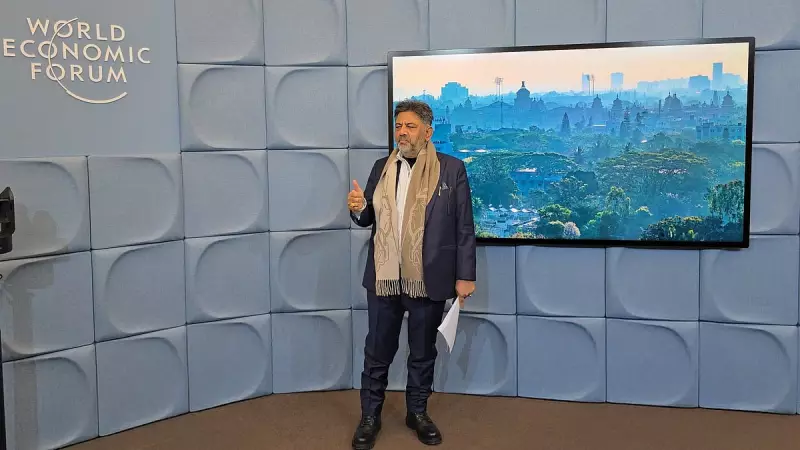
In a significant address at the World Economic Forum in Davos, Switzerland, US President Donald Trump made headlines by clarifying his stance on Greenland, a Danish territory that has been at the center of geopolitical discussions. Trump firmly stated that he would not resort to military force to acquire Greenland, but he remained unwavering in his demands for control over the strategic island.
Trump's Davos Declaration on Greenland
Speaking before global leaders and economic experts, President Trump addressed the speculation surrounding his intentions for Greenland. "People thought I would use force, but I don't have to use force," he declared, emphasizing a diplomatic approach. However, he hinted at potential consequences if his ambitions to gain control of Greenland are thwarted, suggesting that the issue remains a priority for his administration.
NATO and Danish Responses
The announcement has sparked reactions from NATO leaders, who have expressed concerns that Trump's Greenland strategy could destabilize the alliance. They warn that such moves might upend long-standing agreements and alliances in the region. Meanwhile, leaders from Denmark and Greenland have responded by offering various proposals for an increased US presence on the island, aiming to address strategic interests without ceding sovereignty.

Implications for Global Politics
This development highlights the complex interplay between national interests and international diplomacy. Trump's insistence on control over Greenland, despite ruling out force, underscores the strategic importance of the territory in Arctic affairs and global trade routes. It raises questions about future US-Denmark relations and the broader impact on NATO's cohesion.
As the situation evolves, stakeholders are closely monitoring updates from Davos and beyond. The outcome could shape geopolitical dynamics in the Arctic and influence how nations negotiate territorial and strategic interests in an increasingly interconnected world.