Trump's Executive Order Threatens Tariffs on Cuba's Oil Suppliers
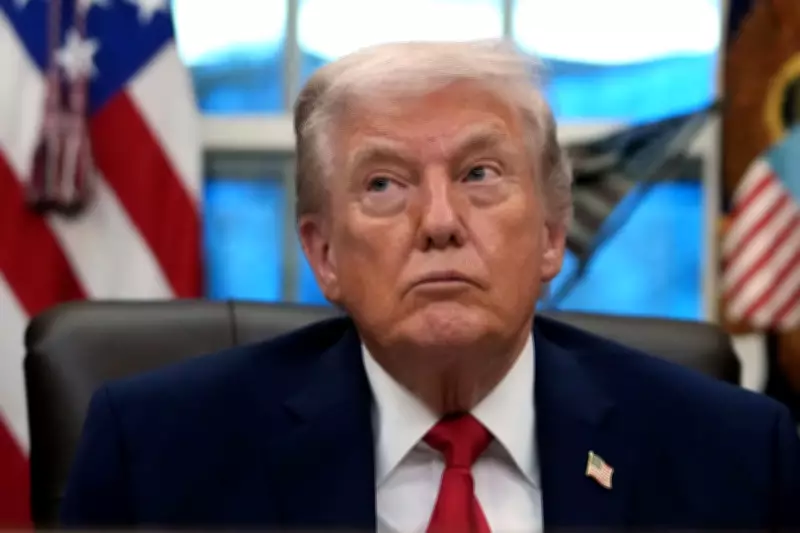
In a significant escalation of economic pressure on Cuba, United States President Donald Trump on Thursday signed a new executive order that could impose fresh tariffs on goods from any nation that continues to sell or provide oil to the Caribbean island. This move comes as part of the Trump administration's broader strategy to further isolate the Cuban government, which is already subject to stringent US economic sanctions.
Mexico Temporarily Halts Oil Shipments to Cuba
Mexican President Claudia Sheinbaum announced earlier this week that her government has, at least for the time being, ceased sending oil shipments to Cuba. She emphasized that this decision was made independently by Mexico, describing it as a sovereign decision rather than a response to external pressure from the United States.
Sheinbaum stated, "This is based on Mexico's own choice and reflects our national interests, not something done because of pressure from the United States." However, the timing aligns with Trump's ongoing efforts to persuade Mexico to distance itself from the Cuban regime and contribute to its economic isolation.

Broader Context of US Policy Towards Cuba
The executive order is seen as a continuation of Trump's hardline stance against Cuba, which has intensified following recent geopolitical developments. After the US military operation aimed at removing former Venezuelan President Nicolas Maduro, Trump has publicly asserted that Cuba's government is on the verge of collapse, citing economic hardships and political instability.
This latest action underscores the administration's commitment to leveraging trade measures as a tool of foreign policy, potentially affecting global oil markets and international relations. Analysts suggest that the threat of tariffs could deter other countries from engaging in oil trade with Cuba, further tightening the economic noose around the island nation.
As the situation unfolds, stakeholders are closely monitoring how other nations, particularly those with historical ties to Cuba, will respond to the US executive order and whether Mexico's temporary halt in shipments becomes a more permanent shift in policy.