

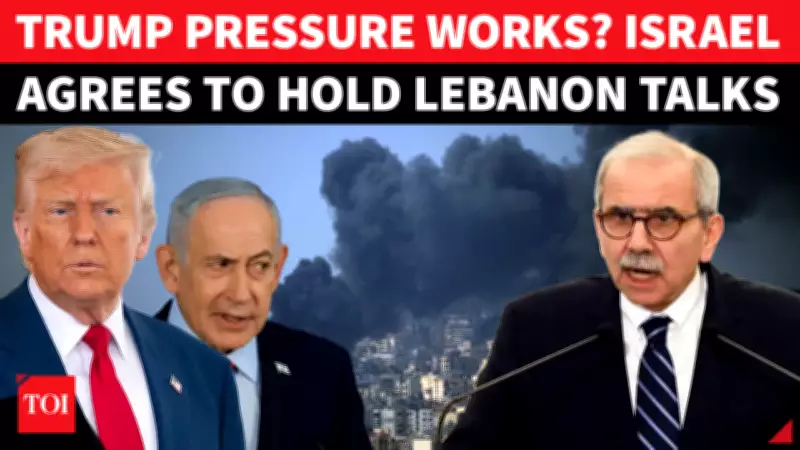
Trump Intervenes to Prevent Escalation in Lebanon Amid Ceasefire Concerns
In a critical development, U.S. President Donald Trump has directly engaged with Israeli Prime Minister Benjamin Netanyahu, urging a reduction in military operations in Lebanon. This intervention comes as escalating Israeli strikes target Hezbollah positions, threatening to unravel the fragile U.S.-Iran ceasefire and spark a broader regional conflict.
Ceasefire Hangs in the Balance as Tensions Spike
The ceasefire between the United States and Iran, already precarious, is now under severe strain due to the intensifying situation in Lebanon. Israeli airstrikes and ground operations have increased in frequency and intensity, raising alarms about potential retaliation and a domino effect across the Middle East. Diplomatic channels are being tested as stakeholders scramble to prevent a full-scale escalation.
During a phone interview, President Trump expressed confidence that Prime Minister Netanyahu would heed the call to de-escalate. "We need to calm down and avoid actions that could lead to a wider war," Trump emphasized, highlighting the urgency of the moment. However, with ongoing strikes and heightened rhetoric from all sides, the path to stability remains uncertain.

Regional Reactions and International Implications
The situation has drawn sharp reactions from global actors. Turkey's Foreign Minister has accused Israel of exacerbating conflicts in the Middle East, while Iran has issued stern warnings to the U.S. and its allies, threatening consequences if the ceasefire collapses. Italy has withdrawn support from Israel, backing Lebanon and condemning what it terms 'unprovoked' attacks.
Russia has also entered the fray, criticizing Israel's actions in Lebanon as a "horrific mistake" and issuing a chilling warning about the potential for further destabilization. These international responses underscore the high stakes involved, with the ceasefire's durability now a focal point of global diplomacy.
Hezbollah's Retaliation and the Risk of Spiral
In response to the Israeli strikes, Hezbollah has launched retaliatory attacks, including rocket assaults on Israeli military positions. This cycle of violence raises urgent questions about whether diplomacy can hold before the situation spirals out of control. Analysts warn that any miscalculation could lead to a rapid escalation, drawing in multiple nations and undermining years of diplomatic efforts.
The U.S. has summoned the Iraqi ambassador following incidents involving Iran-linked fighters, adding another layer of complexity to the regional dynamics. As tensions mount, the international community watches closely, hoping for a de-escalation that preserves the ceasefire and prevents a larger conflict.






