

Trump's Diplomatic Challenge: Reopening Hormuz Strait Without Allies
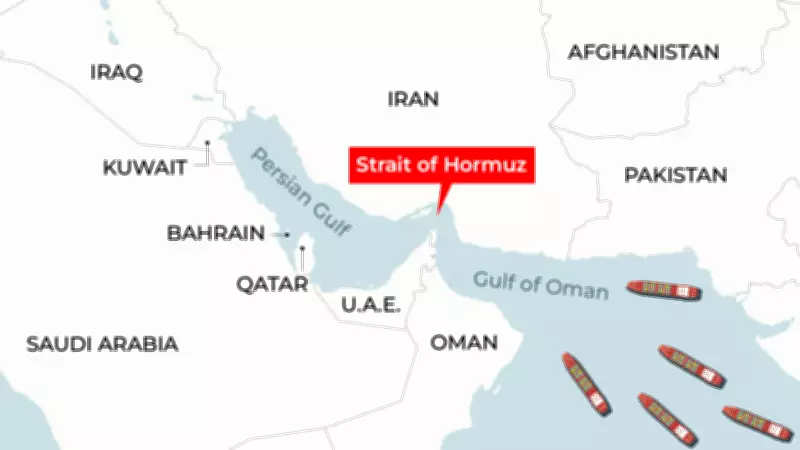
President Donald Trump is encountering formidable obstacles in his efforts to reopen the Hormuz Strait, a vital maritime passage for global oil shipments. This strategic waterway, located between the Persian Gulf and the Gulf of Oman, has become a focal point of international tension, particularly amid escalating conflicts in the Middle East. The strait is crucial for the transportation of approximately 20% of the world's oil supply, making its security a top priority for energy-dependent nations.
Geopolitical Complexities and Regional Tensions
The situation is complicated by ongoing geopolitical rivalries, especially between the United States and Iran. Recent incidents, including attacks on oil tankers and military confrontations, have heightened risks in the region. Iran has repeatedly threatened to block the strait in response to U.S. sanctions, creating a volatile environment that challenges any unilateral action by Trump. Without robust support from traditional allies like European nations or Gulf states, the U.S. faces diplomatic isolation, which could undermine efforts to ensure safe passage.
Key factors hindering Trump's initiative include:

- Lack of consensus among international partners on how to address the crisis.
- Iran's assertive military posture and its capability to disrupt shipping lanes.
- Economic repercussions for global markets if the strait remains unstable.
Strategic Implications for Global Oil Markets
The Hormuz Strait's closure or continued instability could lead to significant spikes in oil prices, affecting economies worldwide. Trump's administration has emphasized energy independence, but reopening the strait without allied backing risks escalating conflicts and straining diplomatic relations. Analysts suggest that a multilateral approach, involving negotiations and confidence-building measures, might be more effective than unilateral moves.
In summary, Trump's ambition to reopen the Hormuz Strait is mired in complex geopolitical dynamics and a shortage of allied cooperation. As tensions persist, the path forward requires careful diplomacy and international collaboration to safeguard this critical oil route.






