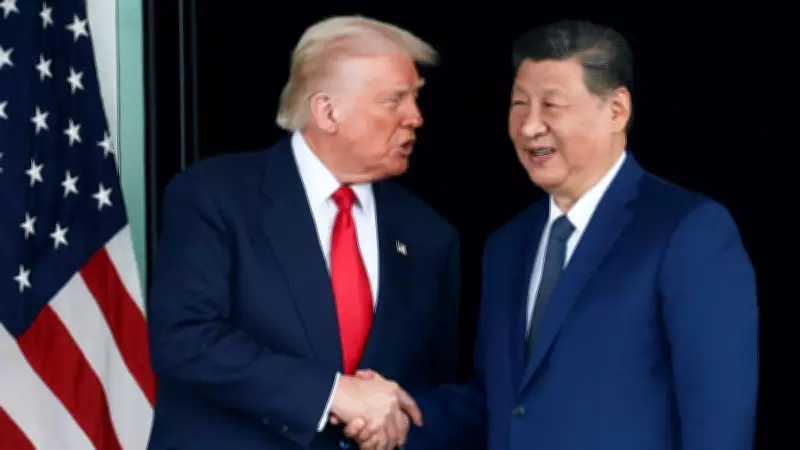
Trump's Upcoming China Summit: Navigating Tariffs and Taiwan
Former President Donald Trump is scheduled to embark on a significant three-day diplomatic mission to China, commencing on March 31, as confirmed by a White House official this past Friday. This high-profile visit marks a crucial moment in U.S.-China relations, with Trump expressing notable enthusiasm for the trip, despite the Chinese government's customary reticence in publicly confirming such major international engagements ahead of time.
Diplomatic Preparations and Unconfirmed Details
The White House's announcement provides a clear timeline for Trump's travel plans, setting the stage for what is anticipated to be a pivotal summit with Chinese President Xi Jinping. In contrast, Chinese authorities have maintained their typical protocol of withholding official confirmation of the visit dates, a standard practice for high-level state visits to manage expectations and diplomatic maneuvering. This discrepancy highlights the delicate nature of the upcoming discussions, which are poised to address longstanding bilateral issues.
Key Issues on the Agenda: Tariffs and Taiwan
The summit is expected to grapple with two major points of contention that have historically strained U.S.-China relations. Trade tariffs, a legacy from Trump's previous tenure, remain a significant economic hurdle, with potential impacts on global markets and bilateral trade flows. Simultaneously, the status of Taiwan looms large as a geopolitical flashpoint, given China's assertive claims over the self-governing island and U.S. strategic interests in the region. These topics are likely to dominate the dialogue, testing the diplomatic skills of both leaders.

Trump's Optimism and Strategic Implications
Trump's evident exuberance about the trip suggests a proactive approach to re-engaging with China on the world stage. This summit could serve as a platform for:
- Resolving trade disputes through negotiations on tariff reductions or exemptions.
- Addressing security concerns related to Taiwan and regional stability in the Asia-Pacific.
- Strengthening bilateral ties in areas such as technology, climate change, and economic cooperation.
The outcome of these talks may have far-reaching consequences for international diplomacy, trade policies, and geopolitical alignments, making this visit a closely watched event by global observers.