Trump's Request to Postpone China Summit Raises Bilateral Concerns Amid Iran War
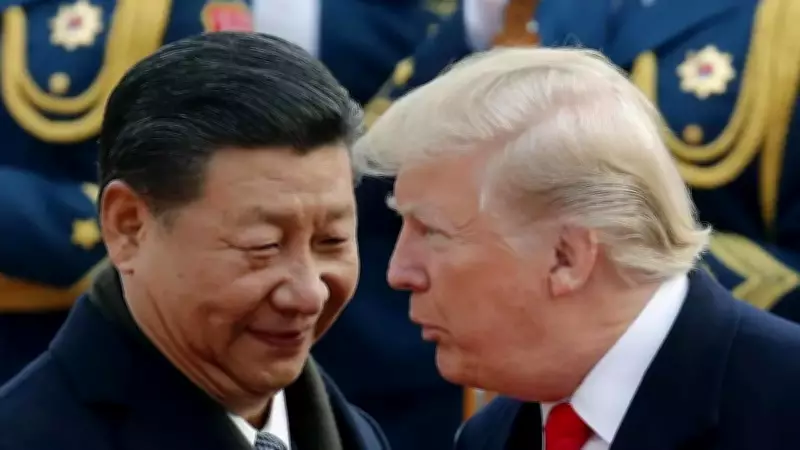
US President Donald Trump's request to delay a planned summit with Chinese leader Xi Jinping has cast a significant shadow over bilateral engagement, according to a Reuters report. However, analysts suggest that ties between the two global powers are unlikely to experience a major setback, as both nations continue to navigate complex diplomatic waters.
Timing of Delay Coincides with High-Stakes Trade Talks
The proposed postponement comes at a critical juncture, following high-stakes trade negotiations between Washington and Beijing in Paris. These talks were aimed at preparing the groundwork for Trump's anticipated visit to China later this month. Observers note that the escalating Iran conflict has disrupted Trump's foreign policy priorities, introducing war-related pressures that compound existing tensions over trade and Taiwan.
Zhao Minghao, an international relations expert at Shanghai's Fudan University, told Reuters, "The situation is not in jeopardy, and Beijing still wants to organise the summit, but the US-Iran conflict and the Supreme Court ruling on tariff policies have complicated these efforts. It makes US-China interactions this year more difficult because of Trump's 'war of choice' in Iran."

Focus of Paris Negotiations on Trade and Strategic Resources
The negotiations in Paris concentrated on managing trade and investment ties, with discussions including potential additional Chinese purchases of US agricultural products such as poultry, beef, and non-soybean crops. Additionally, the two sides addressed the supply of rare earth minerals, an area where China holds substantial global leverage. In an editorial, the state-run China Daily described the talks as "constructive" but cautioned that Beijing's openness "should not be mistaken for acquiescence." The commentary further urged Washington to avoid measures that inject uncertainty into economic relations, such as tariffs or unilateral investigations.
Analysts Highlight Challenges from China's Perspective
Alfred Wu of the Lee Kuan Yew School of Public Policy emphasized that changes in summit planning are not ideal from China's viewpoint. He stated, "The fluctuations in plans are not ideal from China's perspective; China actually wants something more predictable." This sentiment underscores Beijing's desire for stability in diplomatic engagements amid fluctuating global dynamics.
Differing Explanations from US Officials on Postponement
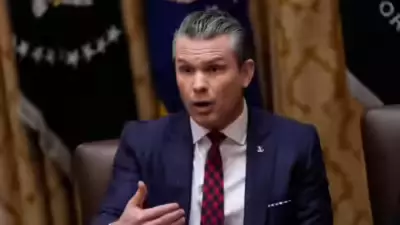
US officials have provided varying reasons for the potential delay. President Trump told Britain's Financial Times that he might postpone the visit if China did not assist in unblocking the Strait of Hormuz. In contrast, Treasury Secretary Scott Bessent later indicated that the timing could be affected by coordination of the war effort rather than trade disputes, highlighting the multifaceted nature of the decision-making process.
Focus on Maintaining Stability in Bilateral Relations
Despite the uncertainty surrounding the summit, analysts assert that both sides remain committed to preserving stability in their relationship. Patricia Kim, a foreign policy fellow at the Brookings Institution, noted that China's priority is to keep relations with the United States steady while preparing for long-term strategic competition. Similarly, Neil Thomas of the Asia Society observed that Trump's preoccupation with the Iran war could complicate preparations for a successful summit.
Chinese foreign ministry spokesperson Lin Jian reinforced the importance of diplomatic engagement, stating that communication between leaders plays an "irreplaceable role" in guiding bilateral relations. He added that discussions on the timing of the visit are ongoing, reflecting a continued commitment to dialogue despite the challenges.
In summary, while Trump's request to delay the summit introduces new complexities into US-China relations, both nations appear focused on navigating these obstacles through sustained diplomatic efforts and strategic negotiations.