US President Donald Trump's recent demand that Pakistan recognise the state of Israel has placed Islamabad in a difficult diplomatic position. The demand, which came during a phone call between Trump and Pakistani Prime Minister Imran Khan, has forced Pakistan to navigate between its longstanding support for the Palestinian cause and the need to maintain a working relationship with the United States.
Background of the Demand
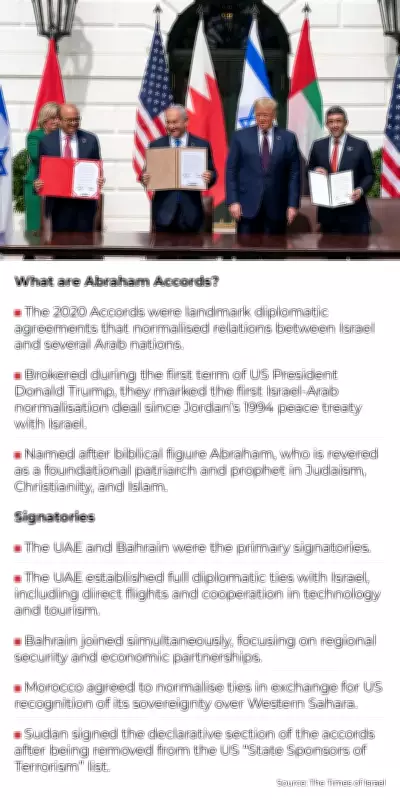
According to sources, Trump made the demand during a conversation about regional security and bilateral relations. The US has been pushing for broader recognition of Israel in the Muslim world, following the Abraham Accords that normalised ties between Israel and several Arab nations. Pakistan, however, has historically been a staunch supporter of Palestine and has not recognised Israel, citing the unresolved status of Jerusalem and Palestinian statehood.
Pakistan's Dilemma
For Pakistan, the demand presents a strategic challenge. On one hand, Islamabad seeks to improve ties with Washington, which are crucial for economic aid and security cooperation. On the other hand, recognising Israel could alienate domestic religious groups and damage Pakistan's standing in the Muslim world. Prime Minister Khan has previously stated that Pakistan would only recognise Israel after a viable Palestinian state is established.

Reactions and Implications
The demand has sparked mixed reactions in Pakistan. While some officials see it as an opportunity to strengthen ties with the US, others warn against abandoning the Palestinian cause. The issue is likely to be debated in the coming weeks, with potential implications for Pakistan's foreign policy and its relations with both the US and Muslim-majority countries.
Analysts suggest that Pakistan may seek a middle path, perhaps by offering conditional recognition or by engaging in backchannel diplomacy to delay a decision. However, Trump's direct approach leaves little room for ambiguity. The outcome will be closely watched by regional and global powers, as it could reshape alliances in South Asia and the Middle East.