

Trump's Strategic Misjudgment: India's Unyielding Position in Global Politics
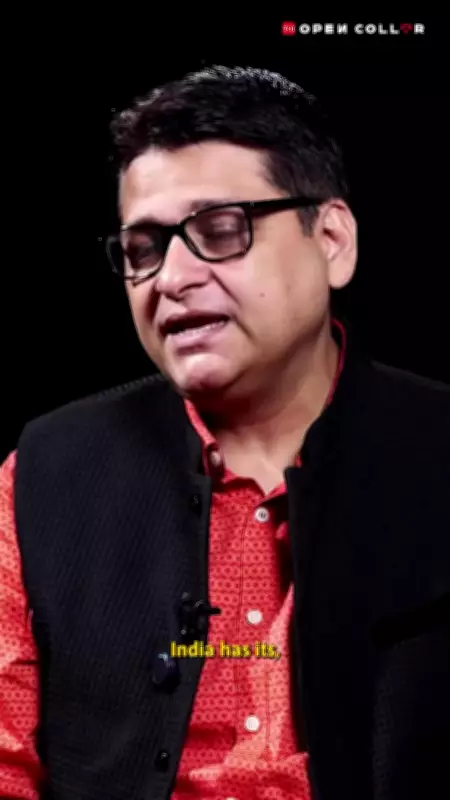
In a revealing discussion, Retired Major Gaurav Arya engaged with Dr. Harsh V. Pant to dissect former President Donald Trump's erroneous assumptions regarding global influence and leverage. The conversation highlights a critical miscalculation: Trump anticipated that India would readily acquiesce to Washington's demands, but New Delhi has instead demonstrated remarkable resilience and strategic autonomy.
The Flawed Premise of American Leverage
Dr. Pant elaborated on Trump's perspective, noting that the former president operated under the belief that the United States held overwhelming sway in international affairs, particularly over nations like India. This assumption, however, failed to account for India's evolving geopolitical calculus and its assertive foreign policy under Prime Minister Narendra Modi. India's economic growth, military capabilities, and democratic credentials have empowered it to negotiate from a position of strength rather than submission.
The dialogue underscored that Trump's approach often relied on transactional diplomacy, expecting concessions in exchange for American support. Yet, India has consistently prioritized its national interests, refusing to bow to external pressure even when it comes from a superpower like the U.S. This stance is rooted in a long history of non-alignment and a contemporary vision of strategic partnerships that are mutually beneficial.

India's Multifaceted Pushback and Global Realignments
As the conversation progressed, Arya and Pant explored the mechanisms through which India is pushing back. New Delhi has actively diversified its international engagements, seeking alliances beyond traditional Western blocs. This includes deepening ties with countries in the Indo-Pacific, strengthening relationships with Middle Eastern nations, and engaging more robustly with regional powers.
- Enhanced European Engagement: Europe has significantly increased its outreach to India, viewing it as a crucial partner in balancing Chinese influence and fostering economic cooperation. This has provided India with alternative avenues for trade, technology, and security collaboration.
- Exploration of New Partnerships: Nations worldwide are reassessing their dependencies on Washington, leading to a proliferation of bilateral and multilateral agreements that sidestep American dominance. India is at the forefront of this trend, negotiating deals that bolster its strategic autonomy.
- Reshaping Global Balance: The cumulative effect of these shifts is a gradual transformation of the international order. Power is becoming more distributed, with emerging economies like India playing pivotal roles in shaping norms and institutions.
Implications for Future U.S.-India Relations
The analysis concluded that Trump's miscalculation serves as a cautionary tale for American policymakers. India is not a passive actor but a dynamic player capable of asserting its interests on the global stage. Future administrations must recognize this reality and approach the relationship with respect for India's sovereignty and strategic priorities.
This evolving dynamic suggests that while cooperation between Washington and New Delhi will continue, it will be on terms that reflect mutual respect and shared goals rather than unilateral demands. The global balance is indeed shifting, and India's firm stance is a testament to its rising influence in an increasingly multipolar world.






