

Trump's Military Buildup Near Iran: Options Weighed Amid Nuclear Tensions
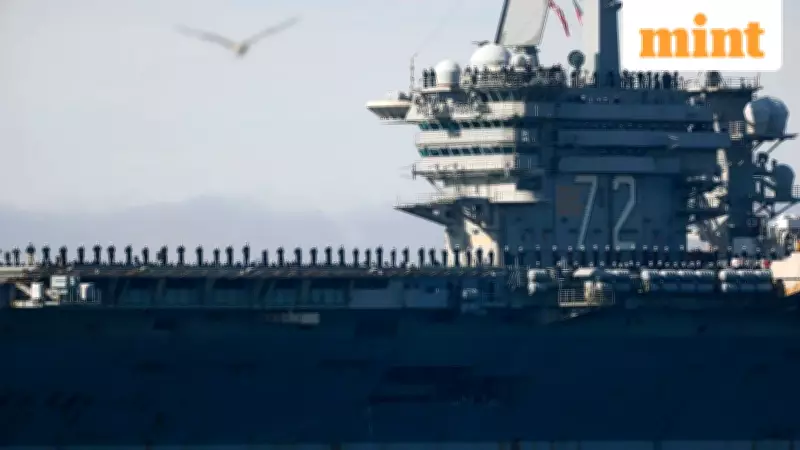
As a formidable U.S. military force assembles within striking range of Iran, President Donald Trump must now determine how to deploy this power. The recent arrival of warships and aircraft, including the aircraft carrier USS Abraham Lincoln, has positioned American assets strategically in the Middle East, escalating tensions with Tehran. Administration officials confirm that debates are intensifying over whether the primary objective should target Iran's nuclear program, its ballistic missile arsenal, or aim for regime collapse—or perhaps a combination of all three.
Strategic Objectives and Military Considerations
President Trump has specifically requested from his aides quick and decisive attack options that avoid the risk of a long-term war in the region. According to officials, the ideal scenario would involve striking the Iranian regime sufficiently hard to compel compliance with U.S. nuclear demands and cessation of actions against dissidents. This approach reflects Trump's preference for military actions that are swift and impactful, as seen in past operations in Yemen, Venezuela, Syria, Somalia, and Nigeria.
Retired Vice Admiral Robert Murrett, a former Navy intelligence officer, emphasized the complexity of such decisions, noting that "the kind of things you'd want to do and the force packages you would need are very different." The administration is considering a range of plans, from a punishing bombing campaign that could topple the government to more limited strikes on symbolic targets, allowing for escalation if Iran refuses to negotiate.

Diplomatic and Military Balancing Act
While Trump has been briefed on attack options developed jointly by the White House and Pentagon, he has maintained a deliberately ambiguous stance to keep strategic objectives secret. A senior administration official highlighted that Trump consistently opposes Iran acquiring nuclear weapons but uses ambiguity as a tactical tool. In a recent statement, Trump remarked on the naval buildup, saying, "they have to float someplace. They might as well float near Iran," underscoring the psychological pressure being applied.
Iranian Foreign Minister Abbas Araghchi has responded by expressing openness to nuclear discussions, contingent on the U.S. halting military threats. This diplomatic overture comes amid internal protests in Tehran, which Trump has vowed to support, further complicating the situation. The president has communicated clear demands to Tehran: "Number one, no nuclear; and number two, stop killing protesters."
Challenges and Potential Outcomes
Military analysts warn that Iran, though weakened, remains capable of withstanding a major U.S. attack and retaliating with missile and drone strikes on U.S. bases, warships, and allies like Israel. Danny Citrinowicz of the Institute for National Security Studies in Tel Aviv cautioned that "there is no 'shock and awe' solution to the Iranian question," referencing the 2003 Iraq invasion. Similarly, Justin Logan of the Cato Institute pointed out the difficulty in achieving decisive results through quick, cheap military actions, a preference of Trump's.
The administration is also weighing the risks of targeting Iran's leadership, such as Supreme Leader Ayatollah Ali Khamenei. Officials note that such an operation would be far more challenging than the recent raid on Caracas, given Iran's heightened vigilance and inland capital. Even if successful, the aftermath is uncertain; a senior IRGC member might assume control, potentially hardening the regime's stance. Secretary of State Marco Rubio acknowledged this uncertainty, stating, "I don't think anyone can give you a simple answer as to what happens next in Iran."
Path Forward and Regional Implications
Trump's path toward confrontation began with his pledge to support anti-government protesters in Iran, a move that initially lacked sufficient U.S. forces for sustained action. Now, with increased military presence, the options have expanded. The White House is using the threat of attack to pressure Tehran into talks on nuclear restrictions, ballistic missiles, and proxy activities, while remaining wary of unproductive negotiations.

As forces converge, the decision Trump makes will not only shape potential military engagements but also have profound implications for regional stability and global geopolitics. The coming days are critical as the world watches how this high-stakes standoff unfolds.





