

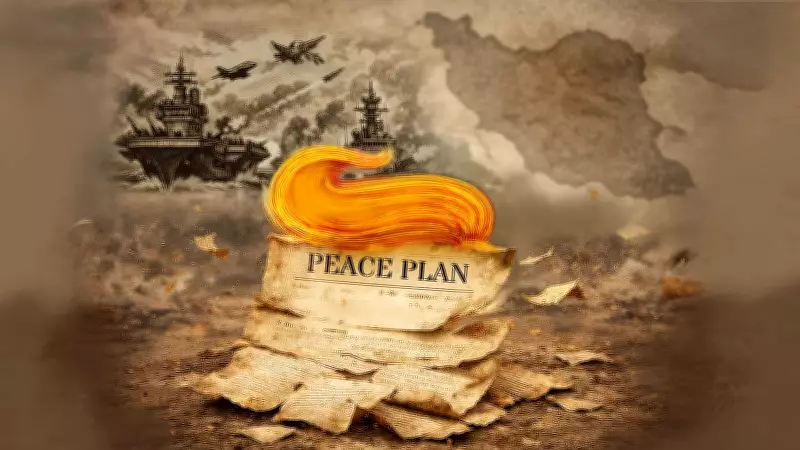
Trump's Peace Plan Demands Iran's Unconditional Surrender
Former President Donald Trump's most recent attempt at crafting a peace plan for Iran has been met with widespread skepticism and criticism. The proposal, which was unveiled recently, outlines a series of demands that many analysts describe as tantamount to requiring Iran's unconditional surrender. This plan represents a significant escalation in diplomatic pressure on Tehran, but its feasibility is highly questionable given the current geopolitical landscape.
Comprehensive Demands on Iran's Security Infrastructure
The Trump peace plan mandates that Iran dismantle not only its nuclear enrichment program but also its entire ballistic missile arsenal. Additionally, Tehran is required to dissolve its network of regional alliances, which have been a cornerstone of its foreign policy for decades. These demands are seen as particularly harsh and unrealistic by experts who point to Iran's longstanding security concerns.
For Iran, ballistic missiles serve as a critical component of its conventional deterrence strategy. The country's air force is largely obsolete, making these missiles the last line of defense against potential threats. This reality was underscored recently when Iran's supreme leader was killed by an attack from Washington's ally, Tel Aviv, further heightening Tehran's sense of vulnerability.

Geopolitical Context and Regional Implications
The timing of this peace plan is crucial, coming in the aftermath of significant regional instability. Iran's leadership is grappling with internal and external pressures, making the prospect of accepting such stringent demands highly unlikely. The requirement to dismantle regional alliances would effectively neutralize Iran's influence in the Middle East, a move that Tehran is unlikely to concede without substantial concessions in return.
Analysts argue that the plan ignores the complex dynamics of Iran's security calculus. By demanding the elimination of ballistic missiles, the proposal fails to account for Iran's need to maintain a credible deterrent against adversaries. This oversight highlights the plan's disconnect from the realities on the ground.
Future Prospects and Diplomatic Challenges
Looking ahead, the Trump peace plan faces significant diplomatic hurdles. Its unilateral nature and lack of engagement with Iran's concerns suggest it may be more of a political statement than a viable roadmap for peace. The international community is watching closely, as the plan's failure could exacerbate tensions in an already volatile region.
In summary, while Trump's initiative aims to address longstanding issues with Iran, its demands for unconditional surrender and comprehensive disarmament appear impractical. The plan's disregard for Iran's security needs and regional standing makes its implementation highly improbable, leaving the prospects for peace in pieces.






