

Trump's Outreach to Modi Indicates US Strategy to Maintain India's Involvement
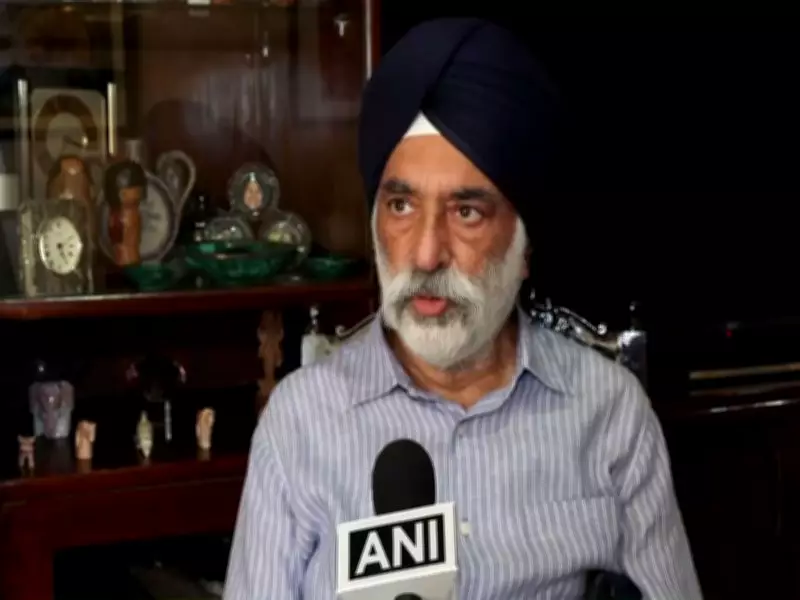
In a significant diplomatic development, former Indian diplomat Gurjit Singh has emphasized that US President Donald Trump's recent telephone conversation with Prime Minister Narendra Modi underscores Washington's intent to keep New Delhi actively engaged in international affairs. Singh, speaking with ANI, pointed out that this communication reflects a deliberate effort by the United States to consult with India, recognizing its substantial global influence.
India's Neutral Position and Economic Impact
Singh elaborated that India, as one of the world's largest economies, is profoundly affected by ongoing conflicts, yet maintains a balanced approach by not aligning with any particular side. "The call from President Trump to Prime Minister Modi demonstrates their desire to keep India in the loop and seek its counsel," he stated. "India's role in maintaining dialogue with all parties involved is proving to be impactful, especially considering its economic stakes and impartial stance. This inaugural call from Trump is highly significant, indicating positive trends that could benefit India if successful."
Diplomatic Reactions to US-Iran Tensions
On the escalating tensions between the United States and Iran, former diplomat Suresh Goel expressed concerns over contradictory statements from both nations. He noted that while Trump claims to be engaging with Iran's top leadership, Iranian officials have denied any such discussions. "Trump asserts he is talking to Iranian leaders, but Iran denies this, and Trump even questions who constitutes their leadership," Goel remarked. "I anticipated a more serious declaration from him. Iran's morning statement specified they would only communicate with JD Vance from the USA, raising questions about their selective engagement. I remain hopeful that some dialogue is occurring, as any peace without political agreement remains fragile."

Strait of Hormuz Incident Highlights India-Iran Ties
Former diplomat Veena Sikri addressed reports of Iran intercepting a Pakistan-bound container vessel in the Strait of Hormuz, interpreting it as a clear sign of India's strong relationship with Iran. She highlighted that Prime Minister Modi has held multiple discussions with Iranian President Masoud Pezeshkian, reinforcing bilateral ties. "India was among the first nations, following China, to have its ships escorted through the Strait of Hormuz," Sikri explained. "Iran's decision to halt a Pakistani vessel suggests Pakistan has not fostered similar diplomatic channels. This underscores the necessity for nations to cultivate their own relationships and prioritize their interests."
Iran's Policy on Strait Passage for Friendly Nations
Adding to the discourse, Iranian Foreign Minister Abbas Araghchi announced that Iran has authorized passage through the Strait of Hormuz for vessels from friendly countries, including India. The Consulate General of Iran in Mumbai confirmed this policy in a social media post, listing China, Russia, India, Iraq, and Pakistan as nations permitted transit. This move further illustrates Iran's strategic diplomatic outreach and its recognition of India's role in regional stability.
In summary, the analyses from seasoned diplomats reveal a complex geopolitical landscape where India's neutral posture and economic heft make it a pivotal player. Trump's engagement with Modi signals a US strategy to leverage India's influence, particularly in matters involving Iran and global conflicts, while Iran's actions in the Strait of Hormuz reflect the importance of bilateral relationships in ensuring maritime security and diplomatic leverage.






