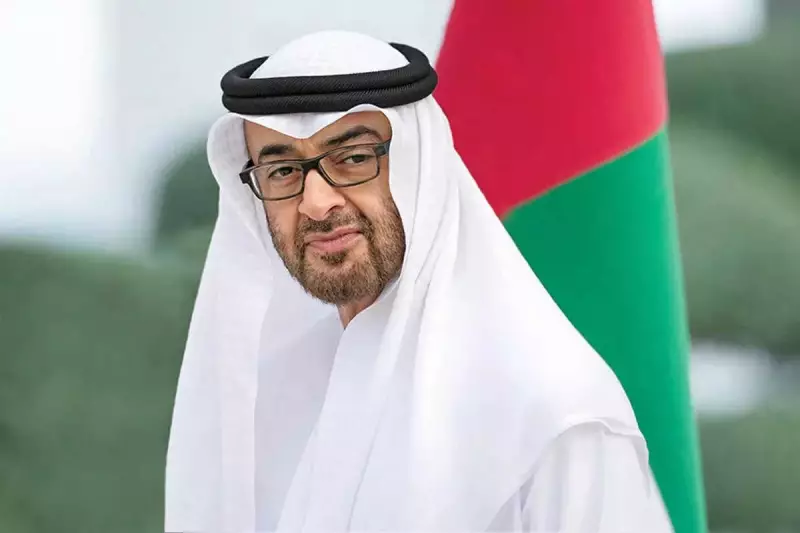
In a significant humanitarian gesture that highlights the enduring friendship between the two nations, the United Arab Emirates has formally transferred a comprehensive list containing more than 900 Indian prisoners to the Indian Embassy located in Abu Dhabi. This pivotal action forms a crucial component of an extensive humanitarian pardon authorized by His Highness Sheikh Mohamed bin Zayed Al Nahyan, the President of the UAE.
UAE's Monumental Clemency Initiative
The original decision was timed to coincide with the UAE's 54th Eid Al Etihad, also known as National Day celebrations, a period when the country emphasizes unity and forgiveness. By incorporating a substantial number of Indian nationals within the broader release of approximately 3,000 inmates, the UAE has conveyed a strong message of goodwill directed towards India and its extensive global diaspora.
Exceptional Financial Relief for Inmates
What renders this pardon particularly remarkable extends beyond the mere grant of freedom; it encompasses the elimination of financial obstacles. His Highness the UAE President has committed to covering the financial penalties that were part of the inmates' original sentences. For numerous Indian families, these fines, frequently resulting from overstaying visas, minor labor disputes, or financial defaults, constituted an overwhelming debt burden that hindered their loved ones from returning home. By absolving these debts, the UAE government ensures these individuals not only exit prison but re-enter society with a clean slate, free from debilitating financial pressures.

Symbolism of Eid Al Etihad Traditions
The release of these prisoners is deeply rooted in the symbolic traditions associated with Eid Al Etihad, which commemorates the 1971 unification of the seven emirates. Within Emirati culture, this anniversary serves as a time to honor solidarity and mercy. Through granting pardons, the UAE leadership pays tribute to the legacy of the Founding Fathers, transforming a day of national pride into an occasion for forgiveness and compassion.
Alignment with Year of the Family Initiative
For 2026, these pardons synchronize with the UAE's "Year of the Family" initiative. The objective is to reinforce social bonds by providing individuals who have demonstrated good conduct an opportunity to reintegrate into society. By clearing their debts alongside their sentences, the government guarantees that these 900-plus Indian nationals receive a genuine fresh start, enabling them to return home with dignity and renewed hope.
Reinforcing Bilateral Relations
The timing of this prisoner list transfer is far from coincidental. It follows a highly productive official visit by President Sheikh Mohamed bin Zayed to India in mid-January 2026, where he engaged in discussions with Prime Minister Narendra Modi. During this fifth visit within a decade, the two leaders inked a Strategic Defence Partnership and explored a future where bilateral trade aims to reach $200 billion by 2032. This humanitarian gesture serves as the "soft power" foundation for these substantial economic agreements. It illustrates that the relationship transcends oil and trade, embodying a shared dedication to the welfare of their citizens and the stability of the million-strong Indian workforce contributing to the UAE's development.