

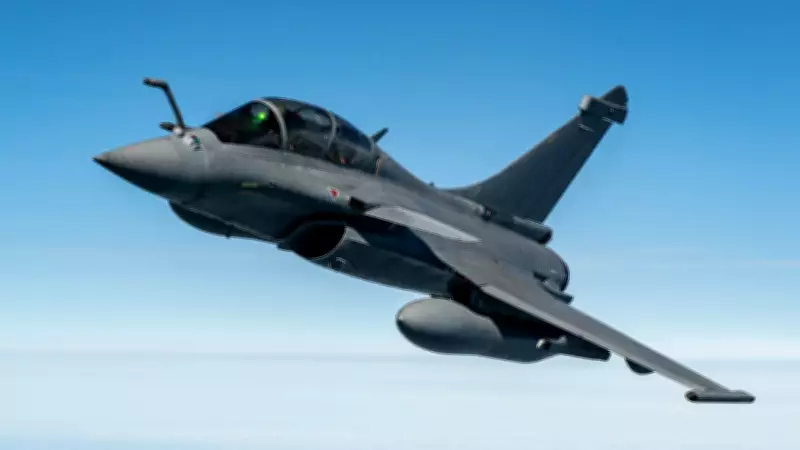
UAE Terminates Investment in Rafale F5 Upgrade Following Stalled Negotiations with France
The United Arab Emirates has officially pulled out of financing the development of the advanced Rafale F5 fighter jet, marking a significant setback for the program. This decision comes after protracted negotiations between the UAE and France on joint funding collapsed, primarily due to disagreements over technology transfer and the participation of Emirati companies.
Background of the Failed Partnership
In December 2025, France extended an invitation to Abu Dhabi to join the Rafale F5 upgrade program, contingent upon a substantial financial investment. However, the offer explicitly excluded local UAE companies from involvement and denied access to critical technological know-how. According to reports from La Tribune, the UAE was anticipated to contribute approximately €3.5 billion towards the total program cost, estimated at around €5 billion.
With the UAE's withdrawal, France now assumes the entire financial burden independently. This development occurs amidst mounting pressure from European rearmament initiatives and competing defense priorities across the continent. To manage this, France plans to utilize an expanded Military Programming Law to fund the project solo.

Strategic Importance of the Rafale F5
The Rafale F5 represents more than a routine fighter jet enhancement; French officials increasingly view it as a sovereign insurance policy. This perspective stems from growing uncertainties surrounding future European combat aircraft projects, positioning the F5 as a critical asset for national security.
Notably, Dassault Aviation recently unveiled the first Rafale fighter jet destined for the United Arab Emirates Air Force. The UAE Ministry of Defence has placed an order for 80 aircraft, which will replace the existing Mirage 2000-9 fighters in its fleet. This order stands as the largest single-country export purchase of Rafale jets to date, making the UAE a highly attractive candidate for additional services, including the F5 modernization standard.
Technical Specifications of the F5 Standard
The Rafale F5 upgrade package incorporates several cutting-edge technologies designed to enhance combat capabilities:
- A Thales RBE2 XG radar system based on gallium nitride technology
- An upgraded SPECTRA electronic warfare suite for improved defense
- New optoelectronic sensors for superior target acquisition
- Conformal fuel tanks to extend operational range
- A Safran M88 T-REX engine, projected to deliver a 20% increase in afterburner thrust
Additionally, the modernization includes plans to integrate the UCAS escort drone, although Dassault CEO Eric Trappier has clarified that this component has not yet been officially launched. The loss of potential UAE funding complicates the financial landscape for this comprehensive upgrade package.
Broader Implications and Fleet Modernization Challenges
This funding setback occurs against a backdrop of existing challenges in modernizing France's Rafale fleet. By the end of 2022, only 20% of French Rafale aircraft were equipped with RBE2 AESA radars due to budget constraints. Starting with the fourth tranche, all new Rafale aircraft have included these advanced radars.
However, in 2023, General Stéphane Mille reported that the new radars were operational on merely 25 aircraft. Projections indicate that by 2030, the fleet of aircraft equipped with these systems is expected to expand to 75 units, highlighting the gradual pace of technological integration within the French air force.
The UAE's withdrawal from the F5 program underscores the complexities of international defense collaborations, where financial contributions often hinge on access to technology and industrial participation. As France proceeds alone, the program's trajectory will be closely monitored by global defense analysts and stakeholders.






