

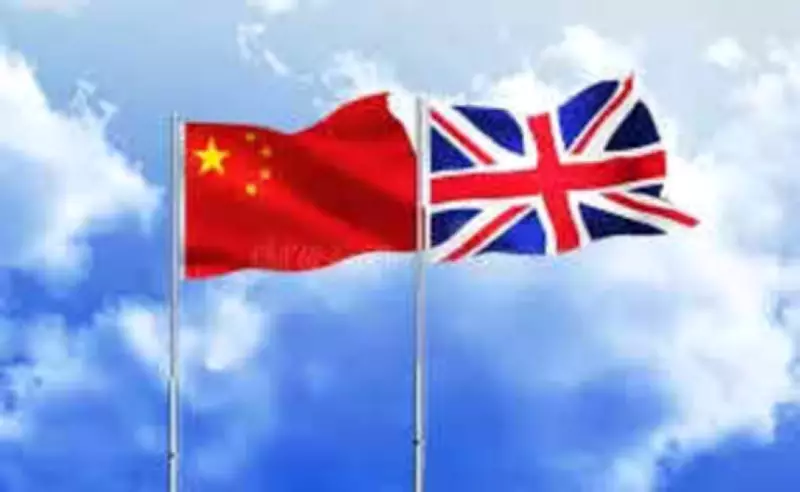
In a significant diplomatic development, Britain and China have officially hailed a reset in their bilateral relations on Thursday. This renewed commitment follows extensive discussions between Prime Ministerir Starmer and President Xi Jinping, who have both pledged to enhance cooperation across multiple sectors including trade, investment, and advanced technology for the mutual benefit of their nations.
A Strategic Shift in Global Diplomacy
With Western leaders increasingly concerned about the unpredictability of U.S. President Donald Trump's policies, Prime Minister Starmer's visit to China marks a strategic pivot. He is the latest in a series of global figures seeking to strengthen ties with Beijing, advocating for what he termed a more sophisticated relationship. This approach aims to improve market access, reduce tariffs, and secure new investment deals, positioning the UK favorably in the evolving global economic landscape.
Key Agreements and Economic Initiatives
Hosting a British leader for the first time in eight years, Beijing demonstrated its commitment by agreeing to several key measures. These include offering 30 days of visa-free access for British citizens and halving Chinese tariffs on whisky imports. In a parallel development, UK-based pharmaceutical giant AstraZeneca announced a substantial $15 billion investment into China, highlighting the tangible economic benefits of this diplomatic reset.

Comprehensive Dialogue on Multiple Fronts
The summit, which lasted approximately three hours and included both formal talks and a lunch, covered a wide range of topics. Discussions spanned from trade and security issues to the ongoing war in Ukraine, and even touched on cultural exchanges such as soccer and Shakespeare. This multifaceted dialogue underscores the depth of the engagement between the two nations.
Domestic and International Implications
For Prime Minister Starmer, whose centre-left Labour government has faced challenges in delivering promised economic growth, improving relations with China—the world's second-largest economy—has become a top priority. However, this move has not been without controversy. Some British and U.S. politicians have criticized the approach, accusing China of industrial-level espionage and human rights abuses.
Balancing Cooperation with Critical Dialogue
In response to such criticisms, Starmer emphasized that closer ties would enable Britain to engage in frank dialogue on areas of disagreement. He pointed to AstraZeneca's plan to pioneer new medicines through heavy investment in China as evidence of the potential benefits for both countries. China is a vital player on the global stage, and it's vital that we build a more sophisticated relationship where we can identify opportunities to collaborate, but of course, also allow a meaningful dialogue on areas where we disagree, Starmer stated during his meeting with Xi.
China's Perspective and Future Outlook
President Xi Jinping expressed China's readiness to develop a long-term partnership with Britain, acknowledging past twists and turns in the relationship that he noted did not serve either country's interests. This statement signals a mutual desire to move beyond historical tensions and focus on future collaboration. The reset is seen as a strategic move to stabilize and enhance bilateral relations in an increasingly complex global environment.
Overall, this diplomatic reset between Britain and China represents a pivotal moment in international relations, with potential ripple effects on global trade, technology partnerships, and geopolitical dynamics. Both nations appear committed to leveraging this renewed engagement for economic growth and strategic advantage, while navigating the challenges of differing political systems and international criticisms.






