

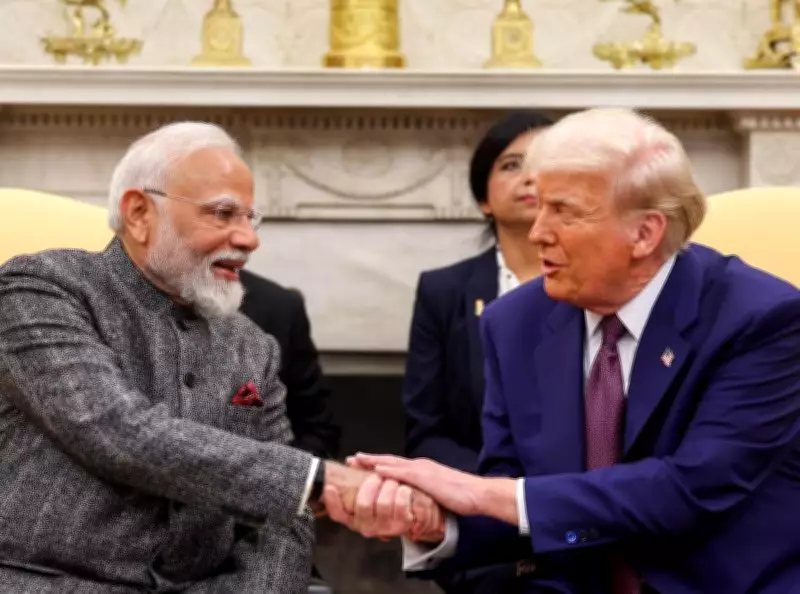
US Grants India Exemption to Buy Russian Oil Amid Tariff Disputes
In a significant diplomatic move, the United States has permitted India to continue its purchases of Russian oil, even as tariff-related tensions persist between the two nations. This decision underscores the complex dynamics of global energy politics and the strategic importance of the US-India partnership.
Background of Tariff Tensions and Energy Needs
India and the United States have been engaged in ongoing disputes over tariffs, particularly concerning steel and aluminum imports. These economic frictions have occasionally strained bilateral relations, raising concerns about trade barriers and market access. However, India's reliance on affordable energy sources has remained a critical factor in its economic stability and growth.
Following Russia's invasion of Ukraine, Western nations, including the US, imposed sanctions on Russian oil exports to limit Moscow's revenue. Despite this, India increased its imports of discounted Russian crude, leveraging the situation to secure cost-effective energy supplies. This move initially drew criticism from some US officials, who viewed it as undermining sanctions efforts.

US Rationale: India as a 'Good Actor'
The US decision to allow India's continued purchases of Russian oil is rooted in its assessment of India as a 'good actor' in the global energy landscape. American officials have acknowledged that India's actions are driven by pragmatic energy security needs rather than an intent to support Russia's geopolitical ambitions.
Key factors influencing the US stance include:
- Strategic Partnership: India is viewed as a crucial ally in the Indo-Pacific region, countering China's influence and promoting regional stability.
- Energy Market Stability: By purchasing Russian oil, India helps balance global energy markets, preventing price spikes that could harm economies worldwide.
- Diplomatic Engagement: The US prefers to address concerns through dialogue and cooperation, rather than punitive measures that could alienate a key partner.
Implications for US-India Relations
This exemption reflects a nuanced approach in US foreign policy, where strategic interests often outweigh immediate economic disagreements. It highlights the depth of the US-India relationship, which has evolved beyond trade issues to encompass security, technology, and geopolitical alignment.
However, the tariff tensions are not entirely resolved. Both countries continue to negotiate terms to address trade imbalances and protect domestic industries. The oil purchase allowance may serve as a goodwill gesture, fostering a more collaborative environment for these discussions.
Global and Regional Impact
India's ability to buy Russian oil has broader implications:
- Energy Security: It ensures India's access to affordable fuel, supporting its economic growth and energy independence.
- Sanctions Efficacy: Raises questions about the effectiveness of Western sanctions if major economies like India continue engaging with Russia.
- Geopolitical Alliances: Strengthens India's position as a balancing power between Western blocs and Russia, enhancing its diplomatic leverage.
In conclusion, the US decision to permit India's Russian oil purchases amid tariff tensions underscores the multifaceted nature of international relations. It demonstrates how strategic partnerships can navigate economic disputes, with both nations prioritizing long-term geopolitical goals over short-term friction. As global energy dynamics shift, such arrangements may become more common, reflecting the intricate interplay between diplomacy, trade, and security.






