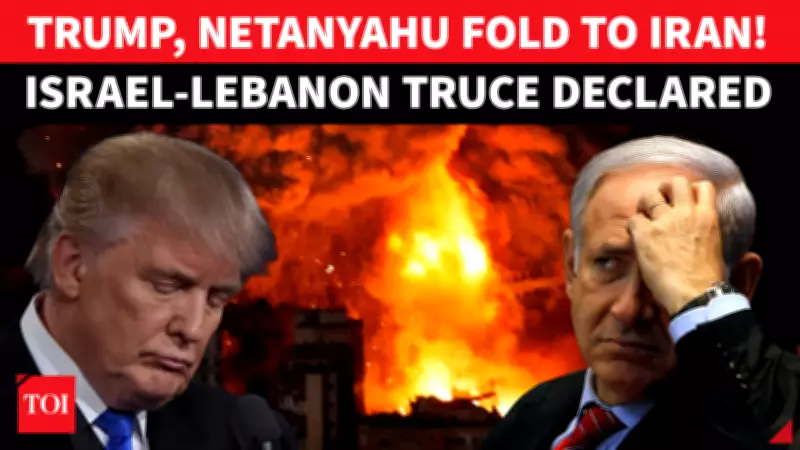
US-Brokered Ceasefire Takes Effect Between Israel and Lebanon After 10 Days
A significant diplomatic breakthrough has been achieved as a 10-day ceasefire between Israel and Lebanon has officially taken effect, following intense negotiations led by the United States. This development comes at a critical juncture in the Middle East, where escalating regional tensions had raised fears of a broader conflict.
High-Level Diplomatic Efforts Yield Truce Agreement
President Donald Trump confirmed the implementation of the ceasefire after conducting high-level talks with Israeli Prime Minister Benjamin Netanyahu and Lebanese President Joseph Aoun. The discussions focused on de-escalating hostilities and establishing a temporary pause in military actions.
The United States played a pivotal role in mediating the agreement, leveraging its diplomatic influence to bring both parties to the negotiating table. This intervention marks a notable moment in US foreign policy, demonstrating active engagement in regional conflict resolution.

Regional Context and Escalating Tensions
The ceasefire arrives amidst a backdrop of heightened regional instability. Recent months have seen:
- Increased cross-border incidents between Israel and Lebanon
- Growing concerns about potential wider escalation involving neighboring countries
- International calls for restraint from global powers
While the truce offers a temporary reprieve from hostilities, significant questions remain about its sustainability and potential to evolve into lasting peace. Regional analysts note that previous ceasefire agreements in the area have often proven fragile under pressure from various political and military factions.
Implications for US-Israel Relations
The ceasefire agreement represents what some observers describe as a recalibration of the US-Israel relationship. President Trump's direct involvement in brokering the deal suggests a more assertive American approach to Middle East diplomacy, particularly regarding Israeli military actions.
This development comes amid ongoing debates about US foreign policy in the region, including discussions about arms supplies to Israel and broader strategic considerations. The successful negotiation of this ceasefire may influence future diplomatic approaches to regional conflicts.
Uncertain Future and Monitoring Requirements
As the 10-day ceasefire period begins, international observers will be closely monitoring:
- Compliance by all parties with the truce terms
- Potential violations or provocations that could undermine the agreement
- Diplomatic efforts to extend the ceasefire beyond the initial period
- Humanitarian impacts in affected border regions
The temporary nature of the agreement means that its long-term success remains uncertain. Both regional stability and the credibility of international mediation efforts may depend on what follows this initial pause in hostilities.