

White House Denies Formal Request for Iran Ceasefire Extension Amid Ongoing Talks
The White House issued a clarification on Wednesday, stating that the United States has not formally requested an extension of the ongoing ceasefire with Iran. This announcement comes as diplomatic engagements between the two nations continue, with both sides expressing cautious optimism about reaching a deal.
Press Secretary Dismisses Media Reports
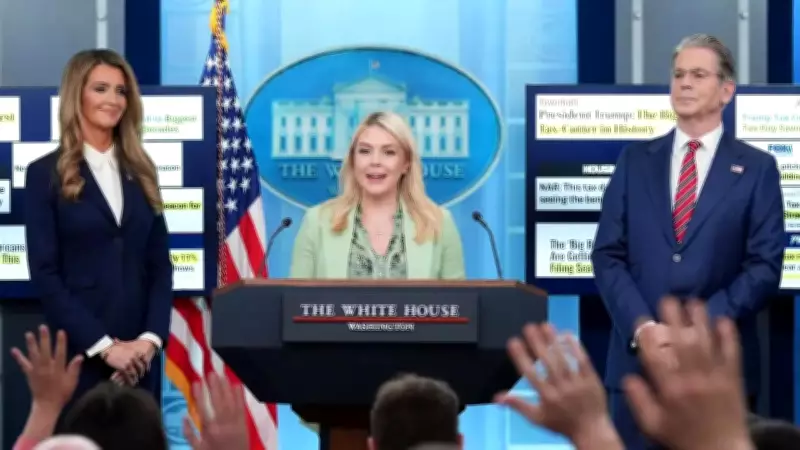
Press Secretary Karoline Leavitt addressed the media during a briefing, directly refuting earlier reports that suggested a formal extension request had been made. "Bad reporting this morning that we had formally requested an extension of the ceasefire. That is not true at this moment," she stated emphatically.
Leavitt emphasized that negotiations remain active and productive. "We remain very much engaged in these negotiations, in these talks. You heard from the Vice President and the President this week that these conversations are productive and ongoing, and that's where we are right now," she added.

Administration's Optimism and Red Lines
The administration maintains a cautiously optimistic stance regarding the prospects of a deal. Leavitt noted that President Donald Trump has made his demands clear to Iran. "We feel good about the prospects of a deal. The President mentioned that in his interview yesterday," she said. "It is in the best interest of Iran to meet the President's demands. I think he's made his red lines in these negotiations very clear to the other side."
US Treasury Warns of Sanctions on Financial Flows
In related developments, US Treasury Secretary Scott Bessent highlighted Washington's vigilance over financial transactions linked to Iran. He specifically warned Chinese banks about potential secondary sanctions. "I do not have an update on the tariffs, but I do have an update on sanctions. Iran is, or used to be, the largest state sponsor of terrorism," Bessent stated.
He elaborated on China's role, noting that "China was purchasing more than 90% of their oil, which is about 8% of China's energy needs. We believe that with this blockade in the straits, there will be a pause in Chinese buying." Bessent added, "I am not going to identify the banks, but we told them that if we can prove that Iranian money is flowing through your accounts, then we are willing to impose secondary sanctions."
Pakistan's Mediation Efforts in Tehran
Amid the fragile two-week ceasefire and escalating tensions, Pakistan's army chief Asim Munir arrived in Tehran in a last-ditch effort to revive stalled negotiations between Washington and Tehran. Munir, accompanied by Interior Minister Mohsin Naqvi, held discussions with Iranian Foreign Minister Abbas Araghchi.
This visit follows the collapse of the "Islamabad Talks," which failed to yield a breakthrough after extensive discussions. Araghchi expressed gratitude for Pakistan's involvement, stating, "I expressed gratitude for Pakistan’s gracious hosting of dialogue, which reflects our deep and great bilateral relationship. Our commitment to promoting peace and stability in the region remains strong and shared."
Diplomatic sources indicated that the Pakistani delegation carried a fresh message from Washington, outlining a potential framework for a second round of high-level talks.
President Trump's Remarks on Negotiations
Earlier, US President Donald Trump signaled that while a ceasefire extension might not be necessary, a negotiated settlement is still the preferred outcome. In an interview with ABC News, Trump said, "I think you're going to be watching an amazing two days ahead. I really do."
He added, "It could end either way, but I think a deal is preferable because then they can rebuild," asserting that "no matter what, we took out the radicals."
Previous Talks and Sticking Points
Direct talks held on April 11–12 between Vice President JD Vance and Iranian officials lasted 21 hours but concluded without an agreement. The primary obstacles were key "red line" issues, particularly concerning Iran’s nuclear program. These unresolved matters continue to pose challenges in the ongoing diplomatic efforts.

The situation remains fluid, with all parties involved navigating complex geopolitical dynamics to achieve a sustainable resolution.





