

US Embassy in India Temporarily Scales Back Social Media Presence
The United States Embassy in India made a significant announcement on Saturday, January 31, revealing a temporary reduction in its social media activity. In an official post published on the platform X, the diplomatic mission clarified that this curtailment stems directly from the ongoing partial government shutdown currently affecting the United States.
Essential Communications to Continue
The embassy's statement was explicit about the operational changes. "Because of the lapse in appropriations, this X account will not be updated regularly until full operations resume, with the exception of urgent safety and security information," the post read. This means that while routine updates and general engagement will be paused, the embassy will continue to share critical communications. These essential updates will specifically include vital information concerning safety and security for American citizens and other stakeholders in India.
This development is not isolated to the New Delhi mission. The US Embassy in Dhaka, Bangladesh, has issued a nearly identical statement, reflecting the widespread impact of the funding lapse on US diplomatic posts globally.

Root Cause: The US Partial Government Shutdown
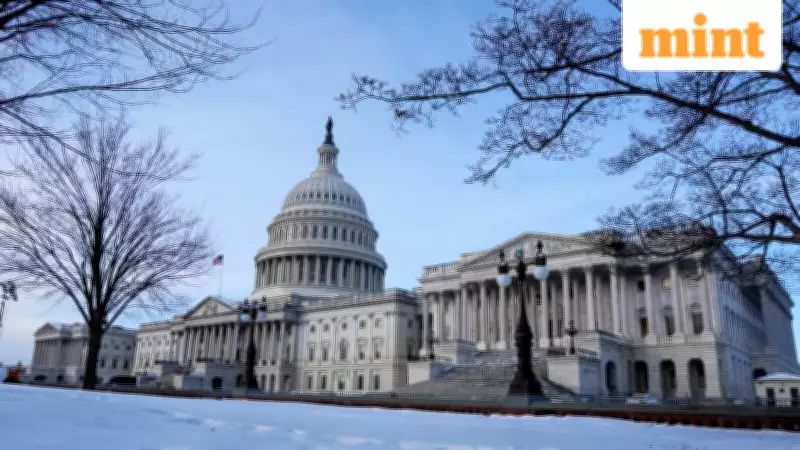
The backdrop to this diplomatic social media slowdown is a fresh partial shutdown of the American federal government, which commenced on Saturday. This situation unfolded just hours after the US Senate convened to approve a revised package for crucial funding bills. However, legislative progress hit a procedural wall. The House of Representatives is not anticipated to review and approve these changes until Monday, February 2, at the very earliest, creating a temporary funding gap.
The path to this point involved complex legislative maneuvers. On Friday, January 30, the US Senate voted to separate extended funding specifically for the US Department of Homeland Security from the broader package. This strategic move followed a deal reached with the White House, designed to delay the Homeland Security funding for several days. The purpose of this delay was to allow for further negotiation on demands from Democratic lawmakers.
Key Negotiation Points and Legislative Hurdles
These negotiations center on imposing certain restrictions on Immigration and Customs Enforcement (ICE). Key Democratic demands reportedly include mandating that ICE agents wear body cameras during operations and prohibiting the use of masks in certain circumstances. According to reports from ABC News, the Senate vote on this measure passed with a tally of 71 to 29, with only five Republican senators voting against the procedural step.
The legislative focus now shifts to the House of Representatives. The approved bill is scheduled to be tabled there, where Speaker Mike Johnson will be responsible for bringing the funding package to the floor for a vote. Only if the bill secures a majority in the House will it be presented to US President Donald Trump for his final approval.
Clearing the earlier Senate vote required overcoming a procedural hold. Republican Senator Lindsey Graham reportedly lifted his objection after securing a commitment from Senate Majority Leader John Thune. The commitment was to hold a vote in the coming weeks on legislation aimed at banning so-called sanctuary cities, which limit cooperation with federal immigration enforcement.
Confidence and Historical Context
Despite the current impasse, House Speaker Mike Johnson has expressed confidence in a swift resolution. In an interview with NBC, Johnson stated, "I am confident that we'll do it at least by Tuesday. We have a logistical challenge of getting everyone in town." His comments highlight the practical challenges of coordinating lawmakers to end the shutdown.
This event marks the second instance since President Trump returned to office last year that Congress has failed to pass funding to keep the government fully operational. It recalls a previous, more severe shutdown during the autumn, which lasted for 43 days. That historic shutdown, the longest in US history, had severe consequences, including halting food assistance for millions of American households and resulting in hundreds of federal employees being furloughed or working without pay.

The temporary scaling back of social media activity by the US Embassy in India serves as a tangible, international ripple effect of domestic US political budgetary disputes, underscoring how internal governmental processes can impact external diplomatic outreach and communication.





