

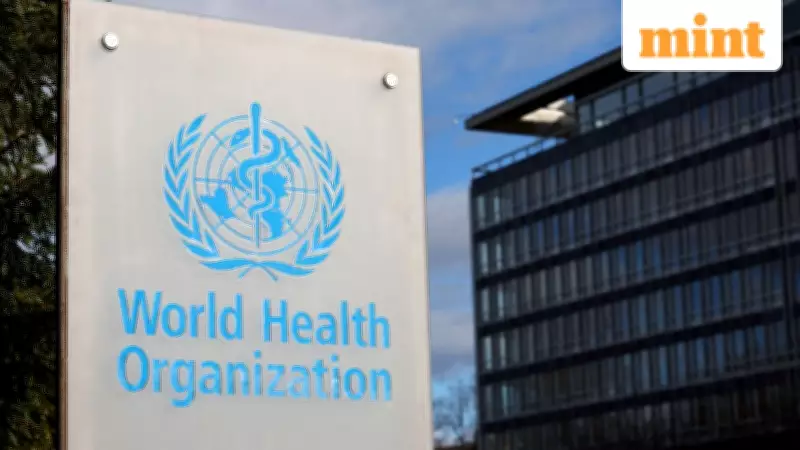
In a sweeping foreign policy move, the United States has formally terminated its membership in the World Health Organization, alongside plans to exit 66 other international entities. This decision, initiated by President Trump upon taking office, represents the largest withdrawal from global organizations in Washington's history.
A Broad Re-evaluation of Global Engagement
The administration's recent announcement signals an overdue reassessment of America's relationship with what it describes as an expanding and opaque network of international bodies. While the scope of these withdrawals is extensive, experts note that the cuts were broader than they were deep, indicating a strategic rather than wholesale retreat.
This realignment in State Department attitudes has led to the departure from organizations across various sectors, including more than a dozen environmental groups where mission overlap was identified as problematic. Even entities with noble-sounding names weren't spared in this diplomatic restructuring.

The Symbolic Nature of International Participation
Previous administrations might have hesitated to withdraw from organizations like the Global Counterterrorism Forum or the International Institute for Justice and the Rule of Law simply because of their appealing names, despite concerns about their effectiveness. The current administration has taken a more pragmatic approach, questioning the value of participation in what it views as largely symbolic international engagements.
Other exited organizations, such as the Global Forum on Migration and Development and the Venice Commission of the Council of Europe, were noted for promoting policy agendas that largely align with European left-wing political values. The United Nations Program for Gender Equality and the Empowerment of Women also faced criticism for its response to specific international incidents.
Structural Challenges in Global Governance
International organizations face fundamental structural challenges that complicate reform efforts. These entities operate further removed from voters than national governments, creating what experts describe as a classic agency problem in monitoring and accountability.
Meaningful institutional reform proves nearly impossible within frameworks where every member state must agree to changes. This bureaucratic inertia, combined with a relatively common worldview among international civil servants, has created growing disconnects between American democratic processes and organizational agendas.
Examining the Practical Impact
While the number 66 appears substantial, closer examination reveals that many of these entities weren't formal treaty organizations requiring U.S. membership. Instead, they represented funds, conferences, or informal consortia where participation carried no binding obligations.
Many received no U.S. financial support, and some weren't even listed in the State Department's annual inventory of approximately 160 international organizations in which America participates. This suggests the withdrawal represents more of a strategic pruning than a comprehensive overhaul of international commitments.
Significant Treaty Withdrawals
The most consequential exits involve formal treaty withdrawals, particularly from the U.N. Framework Convention on Climate Change. The United States originally joined this convention through a treaty ratified in 1992, and current political realities make similar ratification unlikely today.
Future withdrawals should focus on other legacy treaty organizations within the U.N. system, experts suggest. The International Organization for Migration and the Food and Agriculture Organization represent potential targets, with the latter described as having evolved from its original hunger-eradication mission into a bloated, Chinese-dominated entity.
Legal Implications and Immunity Concerns
One underappreciated consequence of these withdrawals involves potential litigation in U.S. courts. International organizations typically enjoy broad legal immunity that insulates them from consequences of questionable decisions. However, under the International Organizations Immunities Act, this protection applies only as long as the United States participates in the organization.

The World Health Organization may become a prime target for plaintiffs' lawyers regarding its handling of the Covid pandemic. According to administration officials, "the WHO obstructed the timely and accurate sharing of critical information that could have saved American lives and then concealed those failures under the pretext of acting 'in the interest of public health.'"
Previously dismissed lawsuits seeking to hold the WHO liable for alleged Covid-related negligence or coverups might now proceed, as withdrawal potentially removes immunity protections. Legal experts note that Supreme Court precedent suggests deimmunization could apply retroactively in such cases.
Future Directions and International Reactions
For these withdrawals to have lasting significance, they must be coupled with legislative actions to reinforce the policy shift. Congress should consider repealing laws authorizing membership in these organizations where possible, creating a more permanent disengagement.
The administration has indicated that some of these organizations represent "a threat to our nation's sovereignty, freedoms, and general prosperity," suggesting it will encourage allies to view departures favorably. Israel has already emerged as a model in this regard, announcing its exit from seven of the same organizations and considering withdrawal from the U.N. Framework Convention on Climate Change.
Other nations may require diplomatic encouragement to follow similar paths, creating potential ripple effects across the global governance landscape. This represents not just a policy shift but potentially a fundamental rethinking of how nations engage with international institutions in the 21st century.





