

US Administration Explores Iran's Parliament Speaker as Potential Interlocutor in Strategic Shift
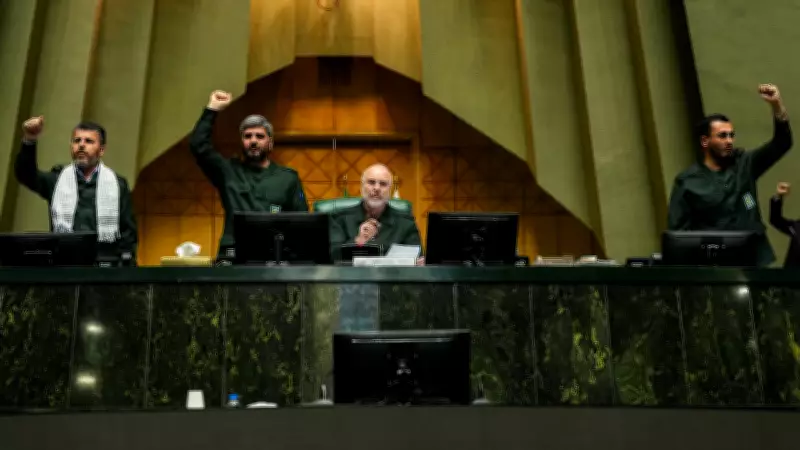
The Trump administration is reportedly exploring Iran's parliament speaker Mohammad Bagher Ghalibaf as a potential interlocutor — and even a possible future leader — as it signals a significant shift from military pressure to a negotiated endgame in the ongoing conflict. This development comes amid broader geopolitical tensions that have rattled global markets, pushed up oil prices, and reignited inflation concerns worldwide.
Ghalibaf Emerges as Pragmatic Option Amid Diplomatic Calculations
According to a detailed report by Politico, Ghalibaf, 64, who has often issued strong warnings against the US and its allies, is nevertheless viewed by some in the White House as a pragmatic insider who could help steer talks in the next phase of the conflict. This assessment comes from two administration officials familiar with the matter, though they stressed that no final decision has been made.
The administration is actively assessing multiple figures within Iran's power structure, effectively "stress testing" potential partners to identify someone willing and able to strike a deal that could bring stability to the region. "He's a strong option," one official said, adding that the process remains fluid and requires careful evaluation. "We need to evaluate carefully — we can't rush this."

Strategic Shift from Military Pressure to Diplomatic Engagement
This outreach reflects a growing desire within Washington to find an exit from a conflict that has created significant economic and political challenges. It also underscores a central question facing US policymakers after heavy blows to Tehran's leadership: who comes next in Iran, and how can the United States engage with potential successors?
White House press secretary Karoline Leavitt declined to comment on specifics, calling them "sensitive diplomatic discussions" that would not be conducted through the media. This cautious approach highlights the delicate nature of the negotiations and the administration's desire to maintain flexibility in its strategy.
Conflicting Signals and Diplomatic Positioning
Donald Trump hinted earlier this week at outreach to "very solid" figures inside Iran and announced a five-day pause on strikes targeting energy infrastructure, suggesting a window for diplomacy. He said the two nations were discussing a 15-point framework to end the conflict, with Iran abandoning nuclear weapons among the top priorities.
However, Ghalibaf has publicly denied any negotiations have taken place between Iran and the United States, creating a complex diplomatic landscape where public statements may not reflect private discussions. US officials downplay Ghalibaf's denials as political positioning necessary for maintaining credibility within Iran's political system.
Oil Remains Central to Strategic Calculations
Oil continues to play a crucial role in the administration's calculus. Officials say Trump is reluctant to target Kharg Island — Iran's key oil hub — in the hope that a future leadership arrangement could yield favorable energy deals. One official likened the approach to Washington's strategy in Venezuela, where cooperation with figures close to Nicolás Maduro helped secure oil interests.
Still, some within Trump's orbit caution that such expectations may be overly optimistic. Iran, they note, has shown remarkable resilience under pressure and is unlikely to concede easily, particularly on strategic assets like oil that are central to its economy and national security.
Skepticism and Strategic Considerations
Analysts describe Ghalibaf as a deeply embedded establishment figure — ambitious and pragmatic, but fundamentally committed to preserving Iran's political system. This makes major concessions to Washington unlikely, particularly amid heightened mistrust following recent US and Israeli actions in the region.
Others suggest the president may be overstating progress to buy time and stabilize markets, especially after previously issuing ultimatums over the Strait of Hormuz, a critical waterway for global oil shipments.

Focus on Insider Figures Rather Than Exiled Opposition
The administration appears to be ruling out exiled opposition figures such as Reza Pahlavi, citing concerns over their lack of domestic legitimacy within Iran. Instead, the focus remains on insiders who already wield influence within Iran's complex political and religious system, suggesting a pragmatic approach to finding workable solutions.
For now, the administration says it is still in an exploratory phase — watching closely to see who emerges as a viable power broker who can help navigate the difficult path toward resolution. "We're trying to figure out who can rise and who wants to rise," one official said. "And then we test them."
A senior White House official added that Trump is keen to secure progress on the Strait of Hormuz and push toward a ceasefire, emphasizing that "like anyone, he would prefer peace over war." This statement reflects the broader desire within the administration to find diplomatic solutions to what has become a protracted and costly conflict with significant global implications.





