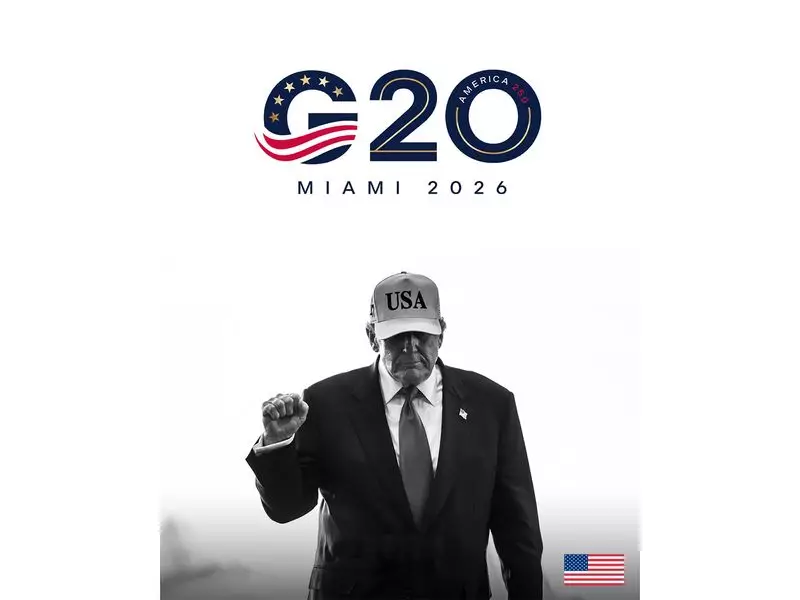
The United States has taken a significant step in the lead-up to the G20 summit by convening its first sherpa-level meeting under Brazil's presidency. This pivotal gathering, however, was marked by a notable absence: South Africa did not participate in the discussions.
A Meeting of Minds, Minus One
Held on a recent Friday, the meeting brought together senior officials, known as sherpas, who are responsible for negotiating the agenda for the G20 leaders' summit. The primary objective was to align strategies and set the groundwork for collaborative efforts during Brazil's tenure at the helm of the influential group. The absence of South Africa, a key member of the BRICS bloc alongside Brazil, Russia, India, and China, introduced a distinct dynamic to the proceedings. While the official reasons for South Africa's non-participation were not extensively detailed in the initial reports, the development underscores the complex geopolitical undercurrents that often shape such multilateral forums.
Forging Ahead: New Working Groups on Economic Priorities
Undeterred by the absence, the US-led meeting was far from unproductive. A central outcome was the official launch of several dedicated working groups. These groups are tasked with delving into critical areas of the global economy, forming the backbone of the substantive work between high-level summits. The focus areas for these groups are expected to include pressing issues such as debt sustainability for vulnerable nations, the reform of multilateral development banks, and the overarching challenges of climate financing. This structured approach indicates a move towards more granular, outcome-oriented dialogue within the G20 framework, spearheaded by the US sherpa team.
Implications and the Road to the Summit
This initial sherpa meeting sets a crucial tone for the diplomatic engagements leading to the G20 summit in Rio de Janeiro later this year. The formation of working groups signals a commitment to advancing concrete policy proposals rather than remaining at the level of broad statements. However, South Africa's absence raises questions about the inclusivity and potential hurdles in achieving consensus, especially on topics where BRICS nations may have aligned or distinct viewpoints. The event highlights the ongoing efforts by member states to shape the G20 agenda according to their national and strategic priorities early in the cycle. As the working groups commence their deliberations, the world will be watching to see how these foundational discussions translate into actionable commitments for global economic stability and cooperation.
The path forward involves intricate negotiations, and this first meeting has effectively marked the starting line for what promises to be a year of intense diplomatic activity within the G20 sphere.