US Grants India 30-Day Waiver for Russian Oil Purchases Amid West Asia Crisis
The United States has provided India with a 30-day waiver to continue purchasing Russian oil, a move that comes as the ongoing conflict in West Asia exacerbates global energy market volatility. This temporary exemption from sanctions aims to balance geopolitical pressures while addressing India's critical energy needs.
Background and Rationale for the Waiver
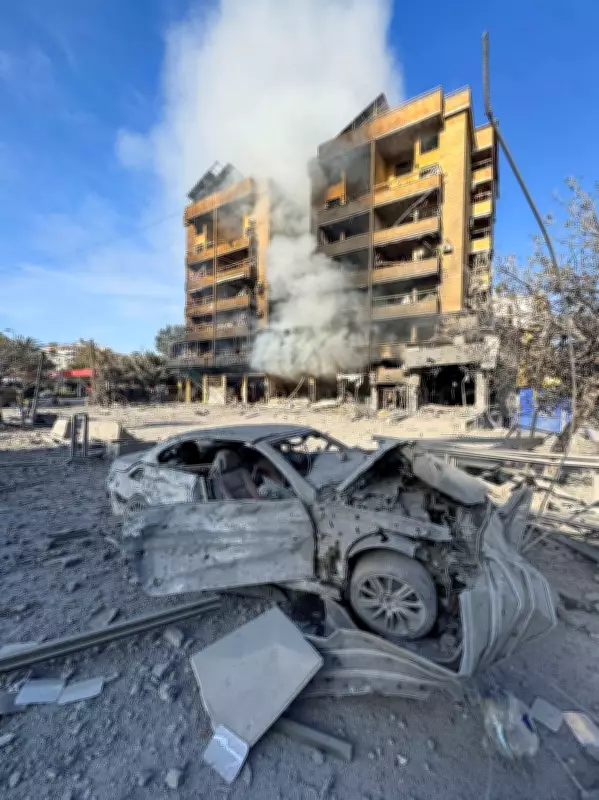
India, a major importer of crude oil, has relied significantly on Russian supplies in recent years, particularly after the Ukraine conflict led to discounted prices. The US, along with Western allies, had imposed sanctions on Russian energy exports to curb Moscow's revenue. However, the escalating crisis in West Asia—marked by heightened tensions and supply disruptions—has prompted a reassessment of these measures.
The waiver allows India to temporarily bypass these sanctions, ensuring a stable flow of oil without violating international norms. This decision reflects the US's strategic interest in maintaining strong bilateral ties with India, a key partner in the Indo-Pacific region, while managing the broader implications of the West Asia turmoil.

Implications for Global Energy Markets
The 30-day period provides a brief respite for India, which has been navigating complex diplomatic and economic challenges. Key points include:
- Energy Security: India can secure affordable oil supplies, mitigating the risk of price spikes driven by the West Asia conflict.
- Diplomatic Balancing: The waiver helps India maintain its relationships with both the US and Russia, avoiding a potential strain on foreign policy.
- Market Stability: By allowing continued purchases, the US aims to prevent further disruptions in global oil markets, which are already under pressure from regional instability.
Experts note that this waiver underscores the interconnected nature of global energy politics, where crises in one region can necessitate pragmatic adjustments elsewhere. The West Asia conflict, involving multiple state and non-state actors, has raised concerns about long-term supply chains and geopolitical alignments.
Future Outlook and Considerations
As the waiver period unfolds, several factors will influence its impact:
- Duration and Extensions: Whether the US will extend the waiver beyond 30 days depends on the evolution of the West Asia crisis and India's energy diversification efforts.
- Sanctions Compliance: India must ensure that its oil purchases adhere to the waiver's terms, avoiding any actions that could trigger renewed sanctions.
- Global Reactions: Other nations may seek similar concessions, potentially leading to broader shifts in how sanctions are enforced during regional conflicts.
In summary, this waiver represents a calculated move by the US to support India's energy stability while contending with the volatile dynamics of the West Asia crisis. It highlights the ongoing challenges in aligning sanctions policies with real-world economic and strategic necessities.