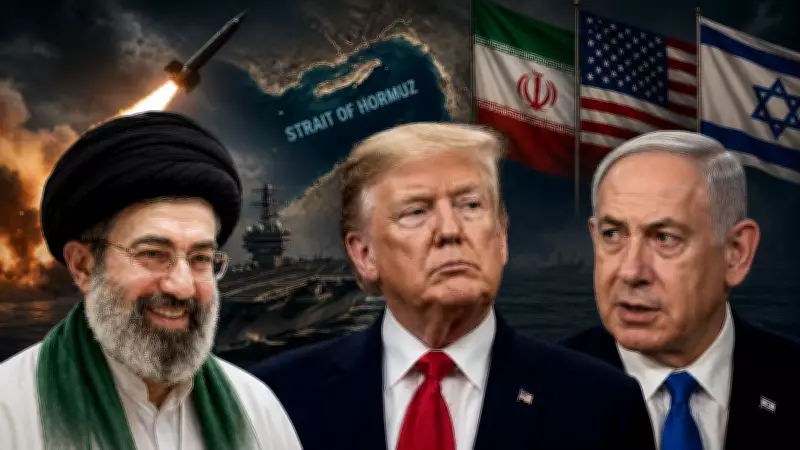
The United States and Iran could resume negotiations as early as next week in Islamabad, according to a report by the Wall Street Journal citing sources familiar with the matter. Both sides are working through mediators on a one-page, 14-point Memorandum of Understanding (MoU) intended to establish a framework for a month-long negotiating process aimed at ending the conflict. One of the main sticking points remains the scope of potential sanctions relief for Tehran.
Ceasefire and Regional Tensions
A tenuous ceasefire appeared to be holding on Saturday after the US struck two Iranian oil tankers. Meanwhile, Bahrain, which hosts the US Navy's regional headquarters, announced it had arrested 41 individuals it alleged were linked to Iran's Revolutionary Guard. Bahrain is led by a Sunni monarchy but, like Iran, has a majority Shia population. Rights groups have stated that the kingdom has used the war as an excuse to crack down on dissent.
Iran's Warning to Bahrain
Iran issued a stern warning to Bahrain. Ebrahim Azizi, head of the national security commission of Iran's Parliament, said on social media: "Siding with the US-backed resolution will bring severe consequences. The Strait of Hormuz is a vital lifeline; do not risk closing it on yourselves FOREVER."

British and French Naval Deployments
Britain's defence ministry announced it was deploying a warship to join a potential mission to protect commercial ships in the Strait of Hormuz once hostilities end. The ministry said HMS Dragon will "preposition" in the region, ready to join a UK and French-led security plan. France announced this week it was moving its aircraft carrier strike group into the Red Sea.
Iran's Response to Deadlines
In response to voices from the US expecting a response to their proposal soon, Iranian foreign ministry spokesperson Esmail Baghaei stated that the country was not paying attention to "deadlines." A top Iranian official also confirmed that Supreme Leader Mojtaba Khamenei is in "complete health" and will eventually appear in public.