US and Iran to Hold Critical Nuclear Talks in Turkey on February 6
In a significant diplomatic development, officials from the United States and Iran are scheduled to meet in Turkiye on 6 February for high-level talks, according to reports from AFP citing an Arab official. This announcement follows Tehran's recent call for resuming nuclear negotiations, while Washington has simultaneously warned of serious consequences if no agreement is reached between the two nations.
Diplomatic Efforts Intensify to Avert Military Confrontation
Diplomatic channels have become increasingly active as both countries attempt to prevent a potential military conflict that could destabilize the entire region. A Bloomberg report indicates that Iranian President Masoud Pezeshkian specifically ordered the commencement of these talks with Washington, which will focus primarily on nuclear issues within an established framework.
The negotiations in Istanbul are expected to involve senior representatives from both sides, including US envoy Steve Witkoff and Iran's Foreign Minister Abbas Araghchi. Their meeting represents a crucial effort to revive diplomacy amid longstanding disputes concerning Iran's nuclear program that have strained relations for decades.

Regional Intermediaries Facilitate Dialogue
Reports suggest that these potential talks have been arranged through the concerted efforts of several regional intermediaries, demonstrating the international community's concern about escalating tensions. Key mediating nations include:
- Egypt
- Oman
- Qatar
- Turkiye
It is also believed that officials from Saudi Arabia and Egypt are likely to participate in the discussions, highlighting the broader regional interest in resolving this conflict peacefully.
Background of Escalating Tensions and Threats
The upcoming talks occur against a backdrop of heightened military posturing and inflammatory rhetoric. Previously, US President Donald Trump deployed a warship fleet toward Iran and additional warplanes to the region, creating a military buildup reminiscent of mobilization patterns observed before other international conflicts.
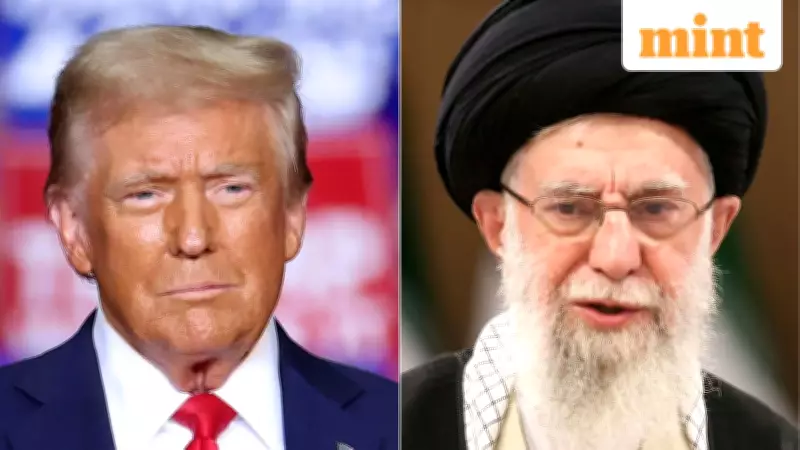
In response to these threats, Iran's Supreme Leader Ayatollah Ali Khamenei issued a stark warning on 1 February, stating that any attack on Tehran could trigger a "regional war." Iranian authorities have previously threatened retaliation against both Israel and US bases throughout the Middle East, raising concerns about broader conflict escalation.
Deterioration of US-Iran Relations
Once considered close allies, diplomatic relations between the United States and Iran have deteriorated significantly over recent decades, primarily due to disputes over Iran's nuclear program and the imposition of extensive economic sanctions. Tensions reached a critical point in 2025 when Trump returned to the White House for a second term.
In March of that year, Trump sent a letter to Khamenei proposing new negotiations for a potential nuclear deal within sixty days. Iran's Supreme Leader rejected this offer, asserting that the United States was not genuinely seeking negotiations but rather attempting to impose its demands on Tehran unilaterally.
While initial talks began in Oman and Italy, they eventually stalled over contentious issues surrounding uranium enrichment. Subsequently, Israel launched what it described as a "preemptive" strike targeting Tehran's nuclear plants and military sites. Days later, the United States deployed B-2 bombers to attack key nuclear facilities including Fordow, Natanz, and Isfahan.
Following these strikes, Trump claimed that Iran's nuclear facilities had suffered substantial damage, though Iranian authorities vehemently denied these assertions.
Economic Unrest and Political Protests
Tensions escalated further in December when widespread protests erupted across Iran following the dramatic devaluation of the Iranian Rial against the US dollar. Protestors demanded regime change as the currency sank to record lows and inflation soared past 40%.

On 28 December, shopkeepers in Tehran staged demonstrations expressing anger over crippling price increases for essential items like cooking oil and meat. The economic situation worsened due to sanctions related to Iran's nuclear program, compounded by government mismanagement and corruption that had already weakened the national economy.
During the first two weeks of protests, reports indicated that at least 2,400 people were killed. In response to these casualties, Trump threatened intervention and promised "very strong action" if any detained protestors faced execution.
On 13 January, Trump publicly encouraged Iranians to continue protesting through a post on Truth Social, urging them to "take over your institutions" and "save the names of the killers." He cryptically added that "help is on the way" without providing specific details. Iranian authorities have since blamed Trump for orchestrating the unrest within their country.
Critical Juncture for Regional Stability
The diplomatic meeting scheduled for February 6 represents a crucial opportunity to de-escalate tensions between Tehran and Washington. Whether these efforts will successfully prevent a potential military conflict remains uncertain, but the international community watches closely as both nations approach this pivotal moment in their troubled relationship.